Kruger is South Africa's flagship national park — 2 million hectares of pristine bushveld hosting the Big Five and over 500 bird species. This is the definitive guide to planning your Kruger safari, from self-drive to luxury private reserves.
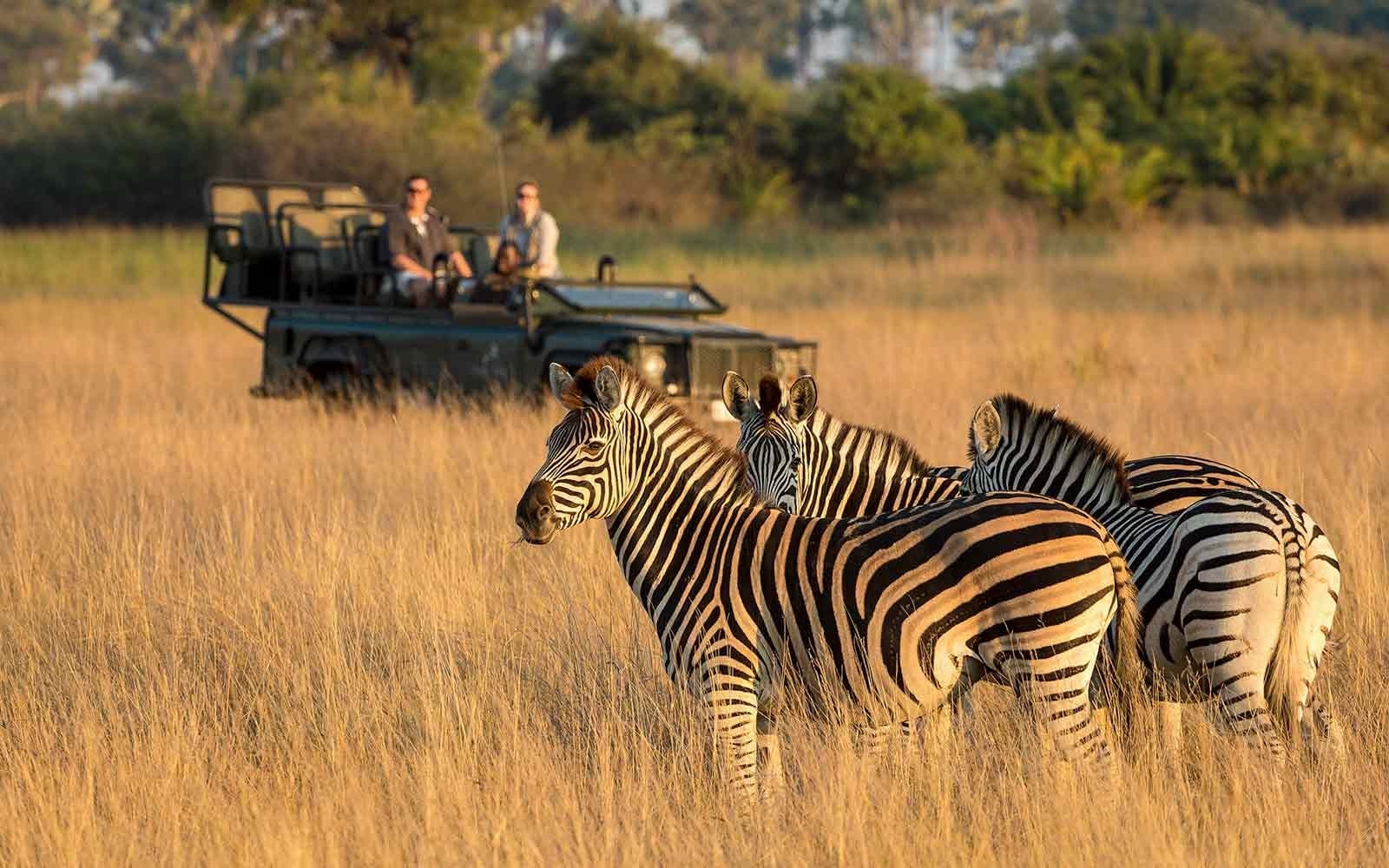
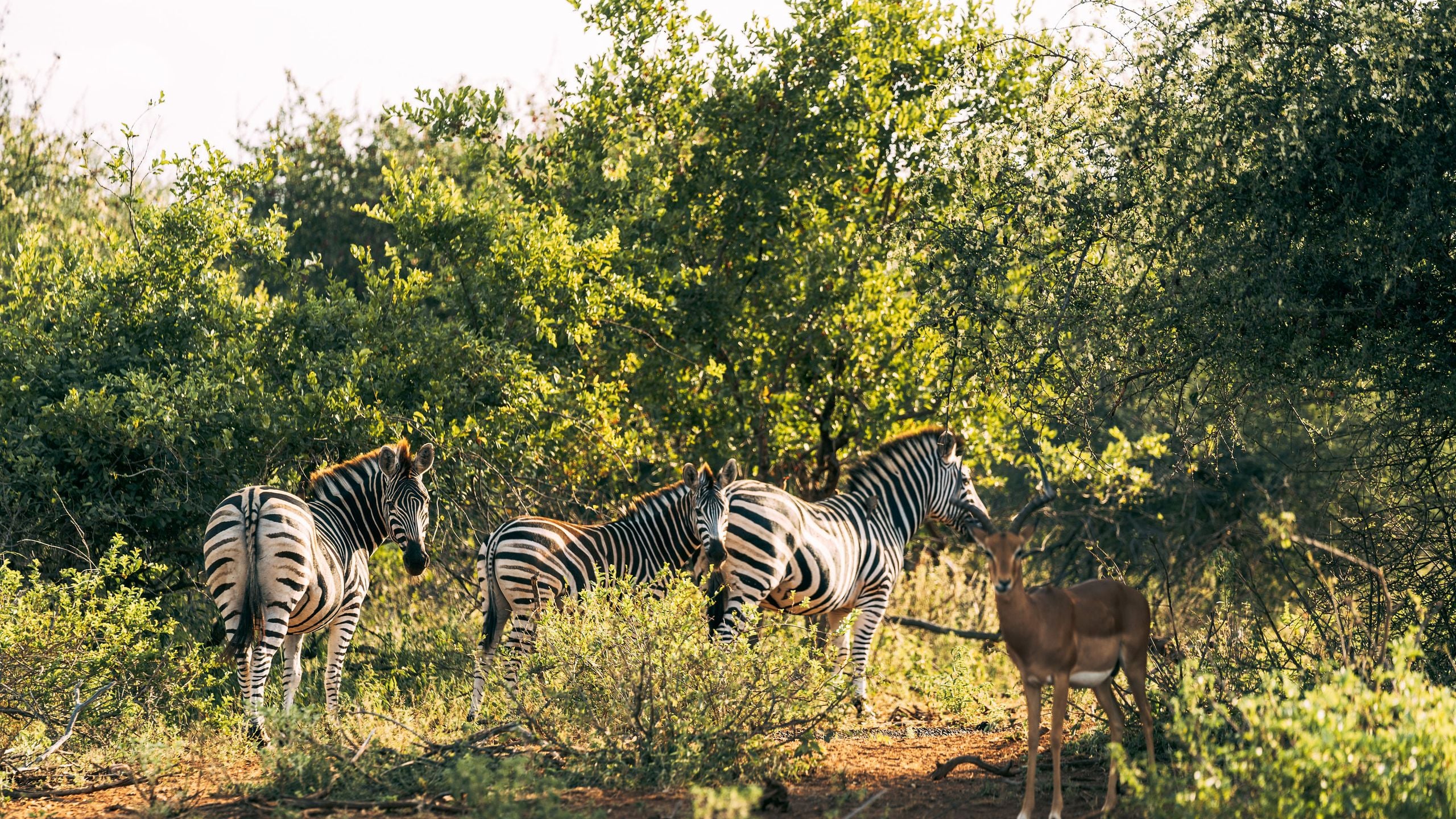
Kruger National Park is South Africa's crown jewel — a wilderness area the size of Wales that has been protecting Africa's wildlife since 1898. With over 147 mammal species, 507 bird species, and the legendary Big Five roaming freely across 2 million hectares, Kruger delivers an accessible, affordable, and utterly world-class safari experience.
Why Kruger? South Africa's Greatest Safari
Kruger is the most visited game reserve in Africa, and it deserves every visitor:
- •Size: Nearly 2 million hectares (20,000 km²) — one of the largest game reserves in Africa
- •Big Five: Lion, leopard, elephant, buffalo, and rhinoceros all present in healthy numbers
- •Accessibility: Just 4–5 hours from Johannesburg by road, multiple airports nearby
- •Self-drive friendly: Excellent roads, well-signed routes, and comfortable rest camps
- •Price range: From R400/night (budget) to R50,000/night (ultra-luxury private reserve)
- •Private reserves: Sabi Sand, Timbavati, Klaserie, and Manyeleti share unfenced borders
Kruger vs. Private Reserves — Which Is Right for You?
Kruger National Park (Self-Drive)
Pros:
- ✓Incredibly affordable — SANParks rest camps from R400/night
- ✓Freedom to explore at your own pace
- ✓Massive area to discover
- ✓Family-friendly with pools, shops, and restaurants at camps
- ✓Authentic bush experience
Cons:
- ✗Must stay on roads (no off-road driving)
- ✗No night drives (gates close at sunset)
- ✗Can be crowded at popular sightings
- ✗Self-catering or basic restaurant food
Sabi Sand & Private Reserves (Guided)
Pros:
- ✓Off-road driving for up-close animal encounters
- ✓Night drives with spotlights (leopard and nocturnal species)
- ✓Walking safaris with armed rangers
- ✓Maximum 3 vehicles per sighting
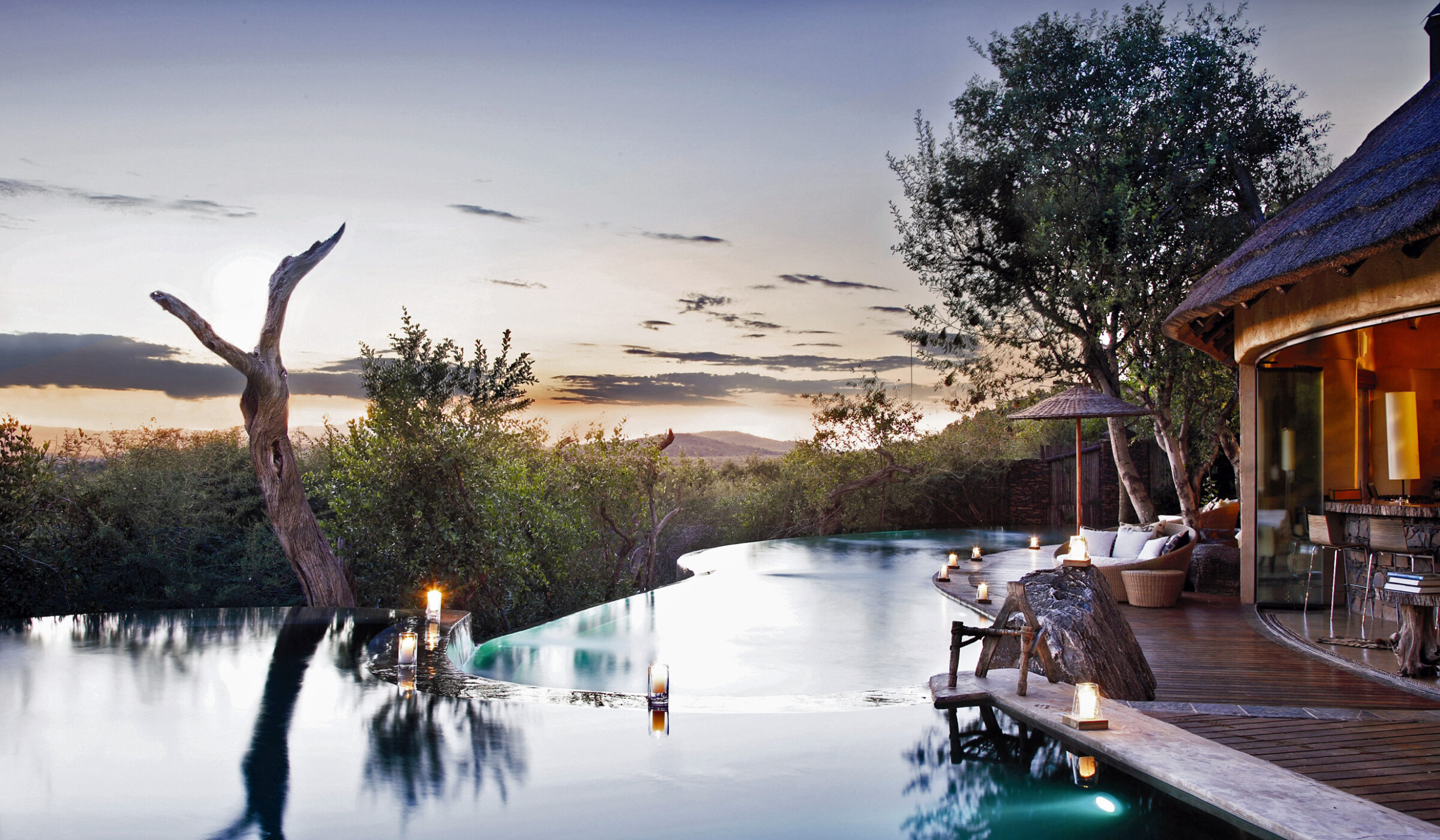
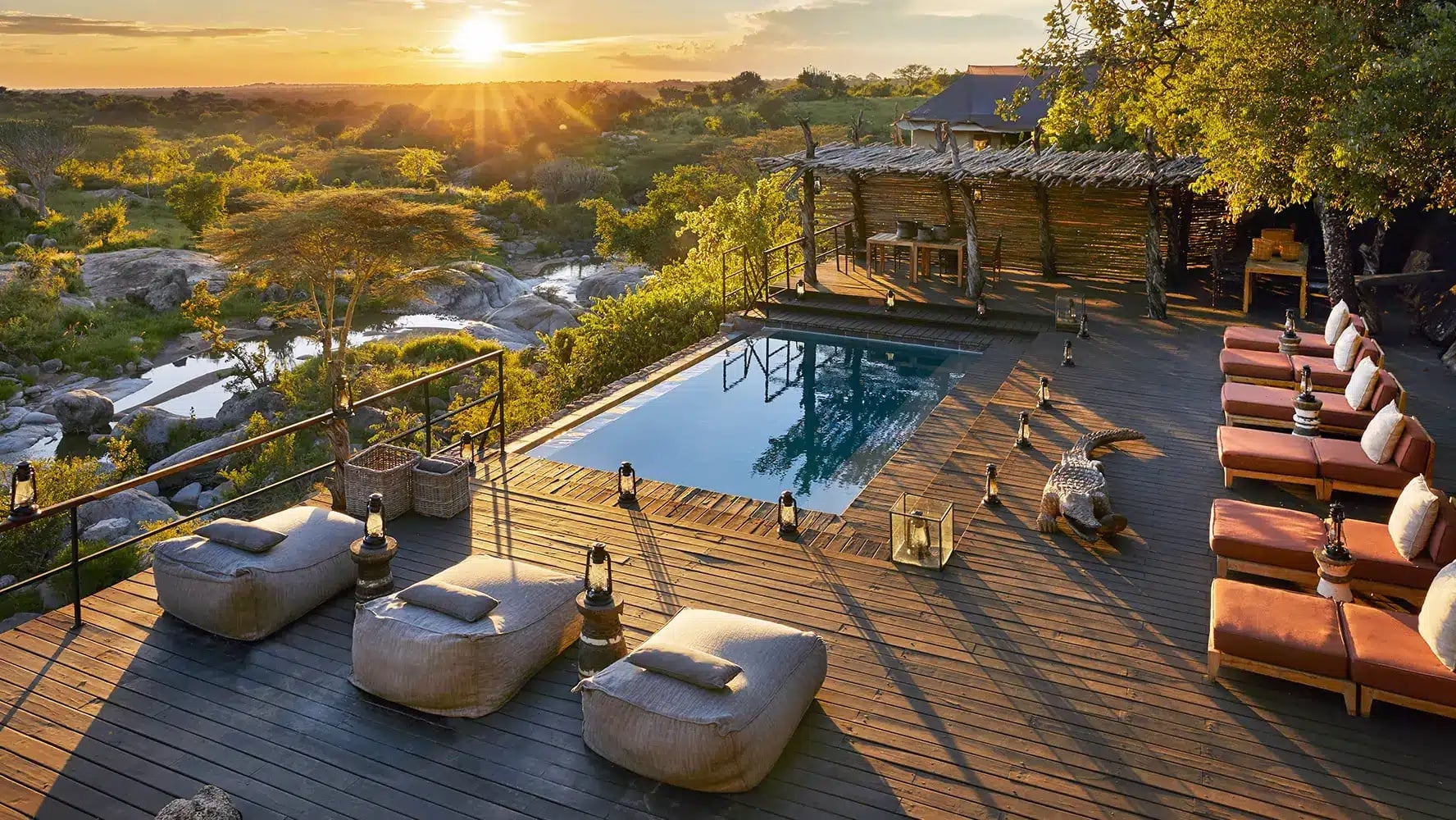
- ✓World-class luxury accommodation and cuisine
- ✓Expert trackers and guides
Cons:
- ✗Expensive ($500–$3,500/night per person)
- ✗Smaller traversing area
- ✗Fixed schedule (morning and afternoon game drives)
Our recommendation: The ultimate Kruger experience combines 2–3 nights self-drive in the park with 2–3 nights in a private reserve.
Best Areas in Kruger
Southern Kruger — Big Five Hotspot
The southern section has the highest concentration of game in the park, particularly around Lower Sabie and Skukuza.
Highlights:
- •Lower Sabie — Sunset Drive along the Sabie River (leopard, hippo, elephant)
- •Skukuza — Park HQ with golf course, museum, excellent game viewing
- •Berg-en-Dal — Hilly terrain, rhino, wild dog
- •Lake Panic bird hide near Skukuza — hippos, kingfishers, herons
Best for: First-time visitors, Big Five, leopard sightings
Central Kruger — Predator Territory
The central grasslands around Satara camp are known as "cat country" — lion, cheetah, and leopard are regularly seen.
Highlights:
- •Satara area — Open grasslands, lion prides, cheetah
- •Olifants Camp — Stunning views over the Olifants River, large elephant herds
- •Orpen Gate — Quick access from Johannesburg (4.5 hours)
Best for: Predator sightings, elephant herds, fewer crowds
Northern Kruger — Wild & Remote
The northern section is Kruger's frontier — wilder, drier, and far less visited. This is where you go for solitude and rare species.
Highlights:
- •Pafuri — Tropical birding paradise, baobab forests
- •The Nyalaland Wilderness Trail — multi-day walking safari
- •Luvuvhu River — fever tree forests, Pel's fishing owl
- •Rare species: Roan antelope, eland, tsessebe
Best for: Birding enthusiasts, solitude seekers, experienced safari-goers
Kruger Rest Camps — Where to Stay
| Camp | Region | Highlights | Price Range |
|---|---|---|---|
| Lower Sabie | South | River frontage, great game | R600–R2,500/night |
| Skukuza | South | Largest camp, most facilities | R500–R3,000/night |
| Satara | Central | Predator hotspot | R500–R2,000/night |
| Olifants | Central | Cliff-top river views | R600–R2,500/night |
| Berg-en-Dal | South | Modern, rhino territory | R500–R2,000/night |
| Letaba | Central | Elephant museum, riverside | R500–R2,000/night |
Sabi Sand Private Reserve — The Crown Jewel
The Sabi Sand is the most famous private game reserve in Africa, sharing a 50 km unfenced border with Kruger. It's home to the highest leopard density in Africa and some of the continent's most iconic luxury lodges.
Top Sabi Sand Lodges:
- •Singita Lebombo — Architectural masterpiece, from $2,500/night
- •Londolozi Private Granite Suites — Legendary leopard viewing, from $1,800/night
- •Royal Malewane — Africa's most exclusive lodge, from $2,000/night
- •&Beyond Kirkman's Kamp — Heritage safari lodge, from $700/night
- •Sabi Sabi Earth Lodge — Underground luxury, from $1,200/night
Best Time to Visit Kruger
Dry Season (May–September)
- ✓Best game viewing (animals at waterholes)
- ✓Thinner vegetation = easier spotting
- ✓Fewer mosquitoes, lower malaria risk
- ✓Cool, comfortable temperatures
- ✗Cold mornings (near freezing in June–July)
Green Season (October–March)
- ✓Lush green landscapes
- ✓Baby animals (November–February)
- ✓Exceptional birding (migratory species)
- ✓Dramatic thunderstorms and sunsets
- ✗Thicker vegetation, harder spotting
- ✗Higher temperatures and malaria risk
Self-Drive Tips for Kruger
- Book rest camps early — Popular camps sell out months ahead (bookable on SANParks website)
- Start at gate opening (5:30 AM in summer, 6:00 AM in winter) — first 2 hours are magical
- Drive slowly — 25–30 km/h is ideal for spotting
- Check waterholes — S28, S100, and Sunset Dam are legendary
- Use the SANParks app — Sightings map updated by other visitors
- Pack binoculars — Essential for bird identification and distant sightings
- Bring a cooler box — Picnic sites along the route are delightful
- Don't exit the vehicle — Except at designated picnic sites and rest camps
- Be back before gate closing — Fines are issued for late returns
- Carry a field guide — Newman's Birds of Southern Africa is essential
Getting to Kruger
- •From Johannesburg: 4–5 hours drive to southern gates (Malelane, Crocodile Bridge)
- •By air: Fly to KMIA (Kruger Mpumalanga International Airport) — 1 hour from most camps
- •From Cape Town: 2-hour flight to KMIA or Hoedspruit
- •Transfer services: Many lodges offer airport transfers
Ready to explore South Africa's greatest wilderness? Plan your Kruger safari with our experts or browse our South Africa packages.