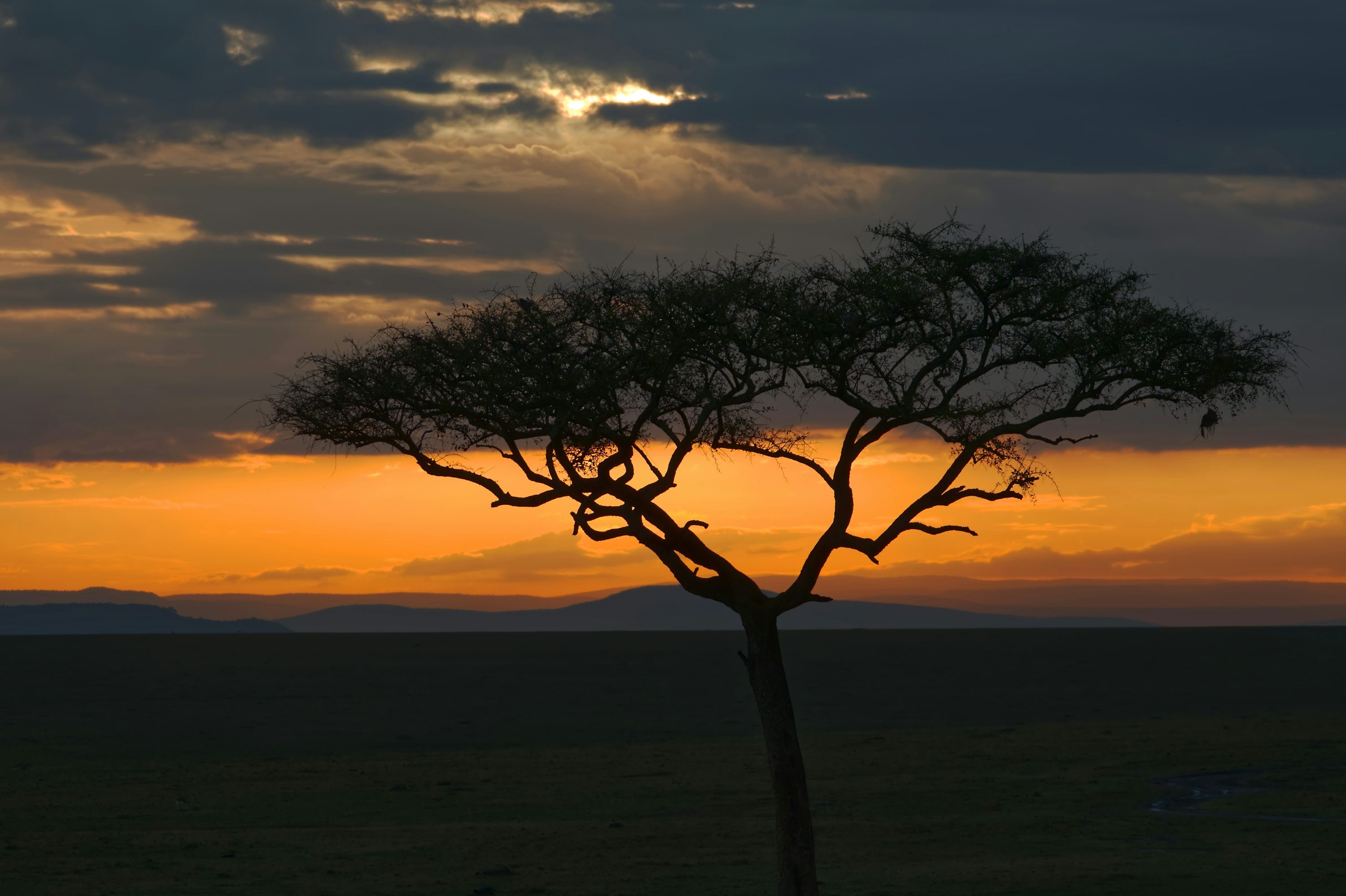
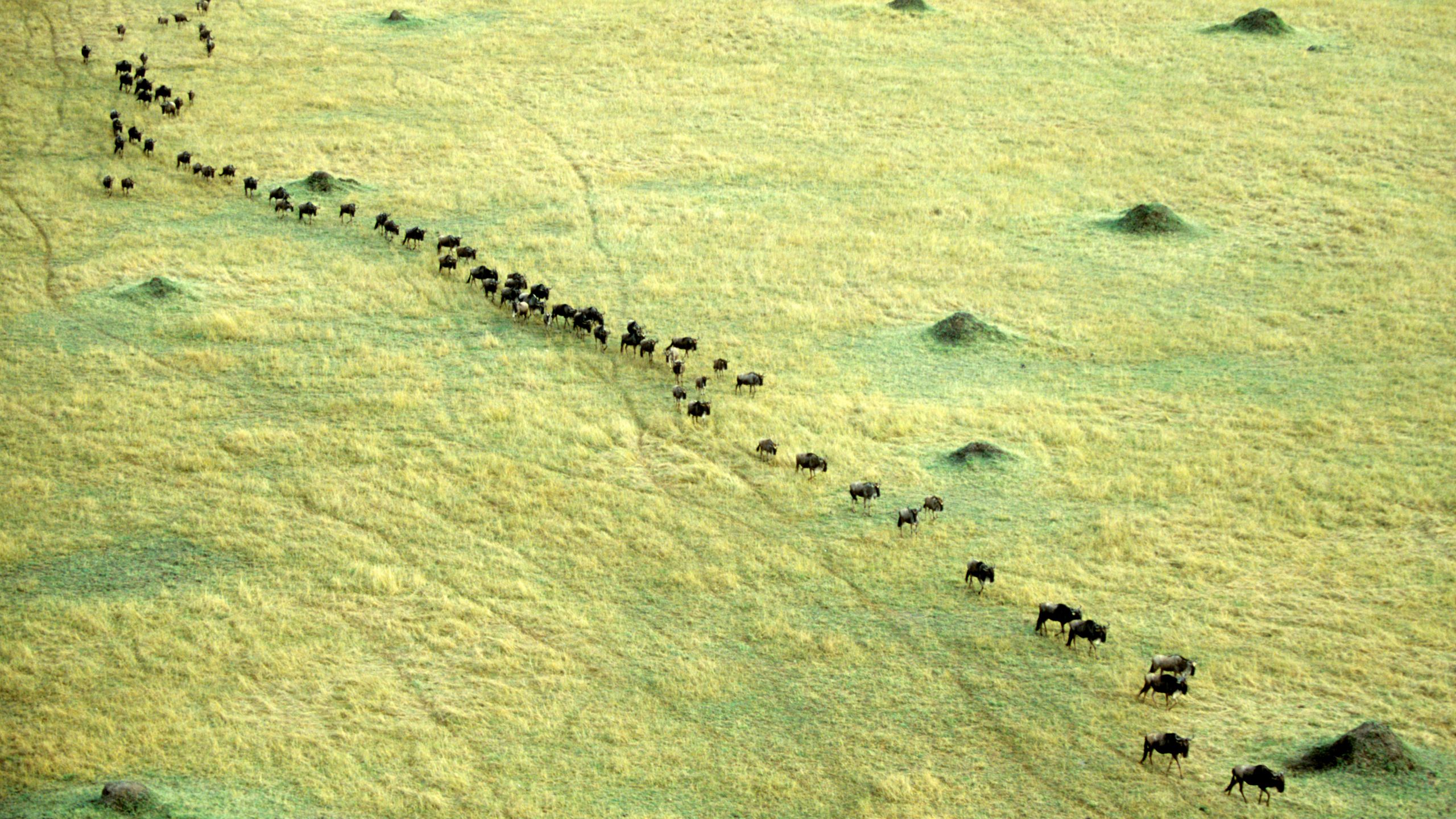
The Masai Mara is where safari dreams come alive — endless golden plains, dramatic Great Migration river crossings, and the highest predator density in Africa. This is your complete guide to planning the perfect Mara safari.
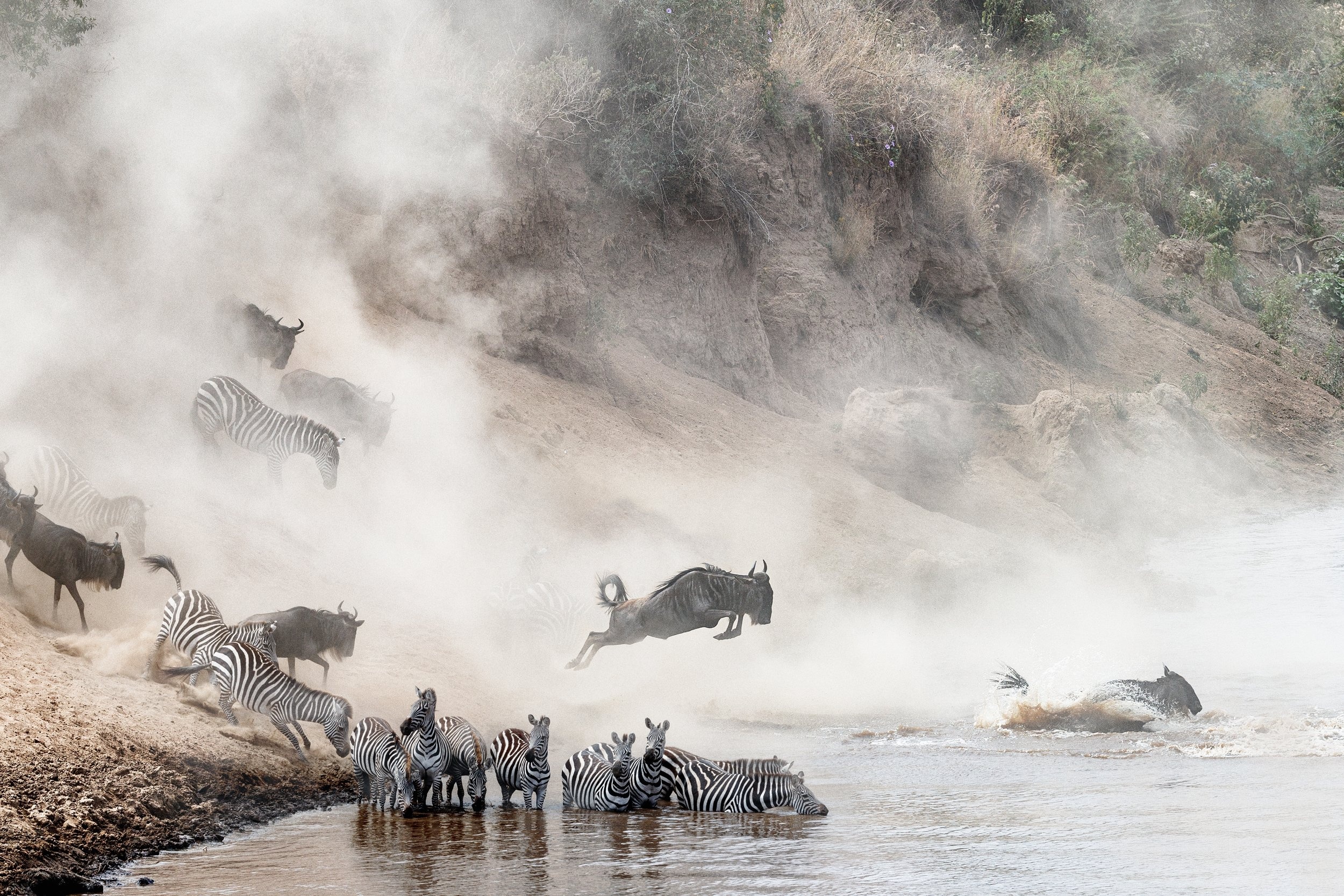
The Masai Mara is not just a national reserve — it's the stage for nature's greatest spectacle. When two million wildebeest plunge into the crocodile-infested Mara River during the Great Migration, you're watching the rawest, most visceral display of survival on the planet.
Why the Masai Mara?
The Masai Mara National Reserve covers 1,510 km² of rolling grasslands, acacia woodlands, and riverine forest in southwestern Kenya. It's the northern extension of the Serengeti ecosystem and is consistently ranked among the world's top safari destinations.
What makes the Mara exceptional:
- •Highest predator density in Africa — lion, leopard, cheetah, hyena, and wild dog
- •The Great Migration — 2 million animals crossing the Mara River (July–October)
- •Year-round exceptional game viewing — unlike many parks, the Mara delivers every month
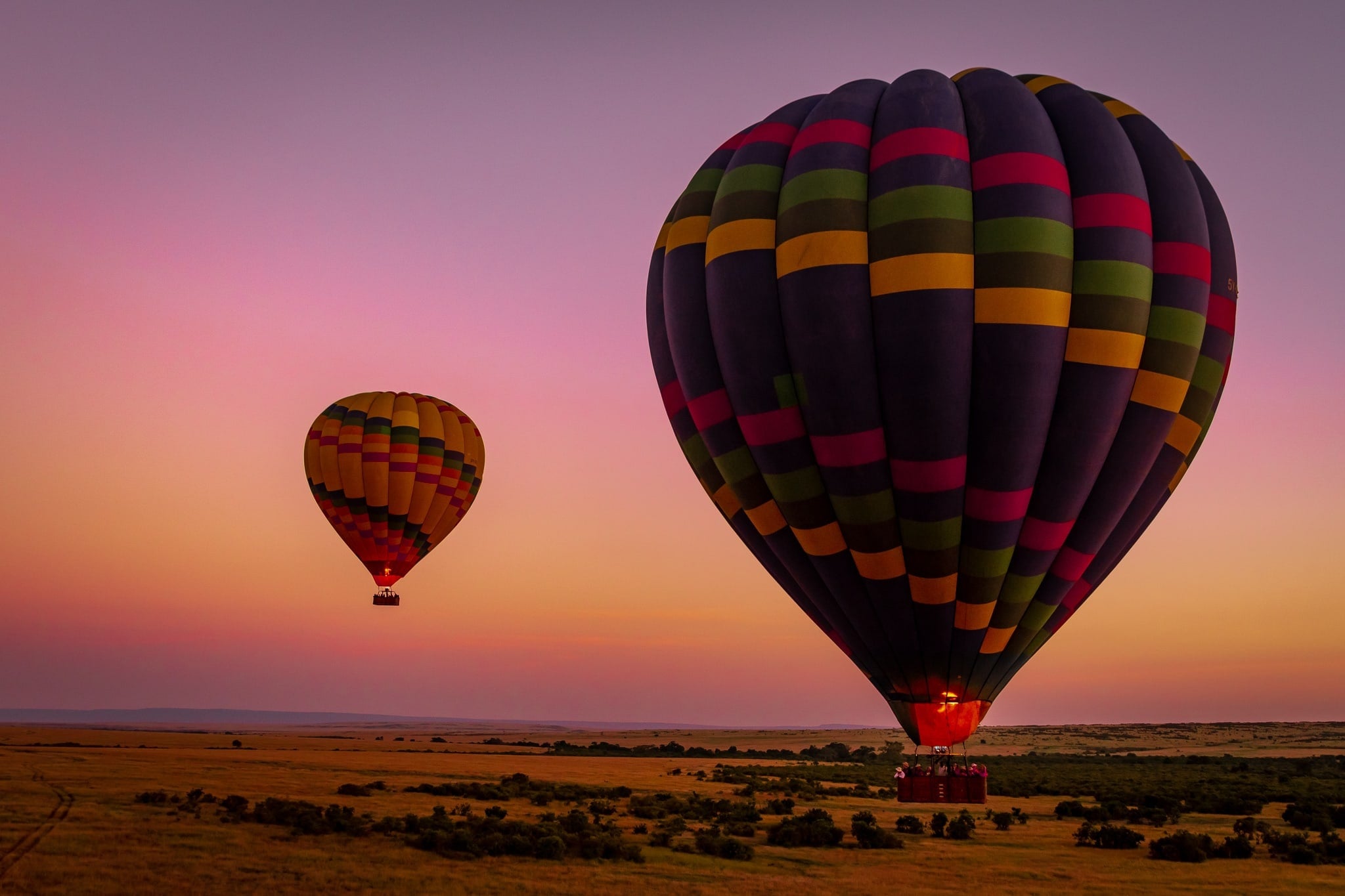
- •Hot air balloon safaris — sunrise flights over the plains
- •Maasai culture — authentic interactions with one of Africa's most iconic tribes
- •Conservancies — private areas with off-road driving, night drives, and walking safaris
The Great Migration in the Mara
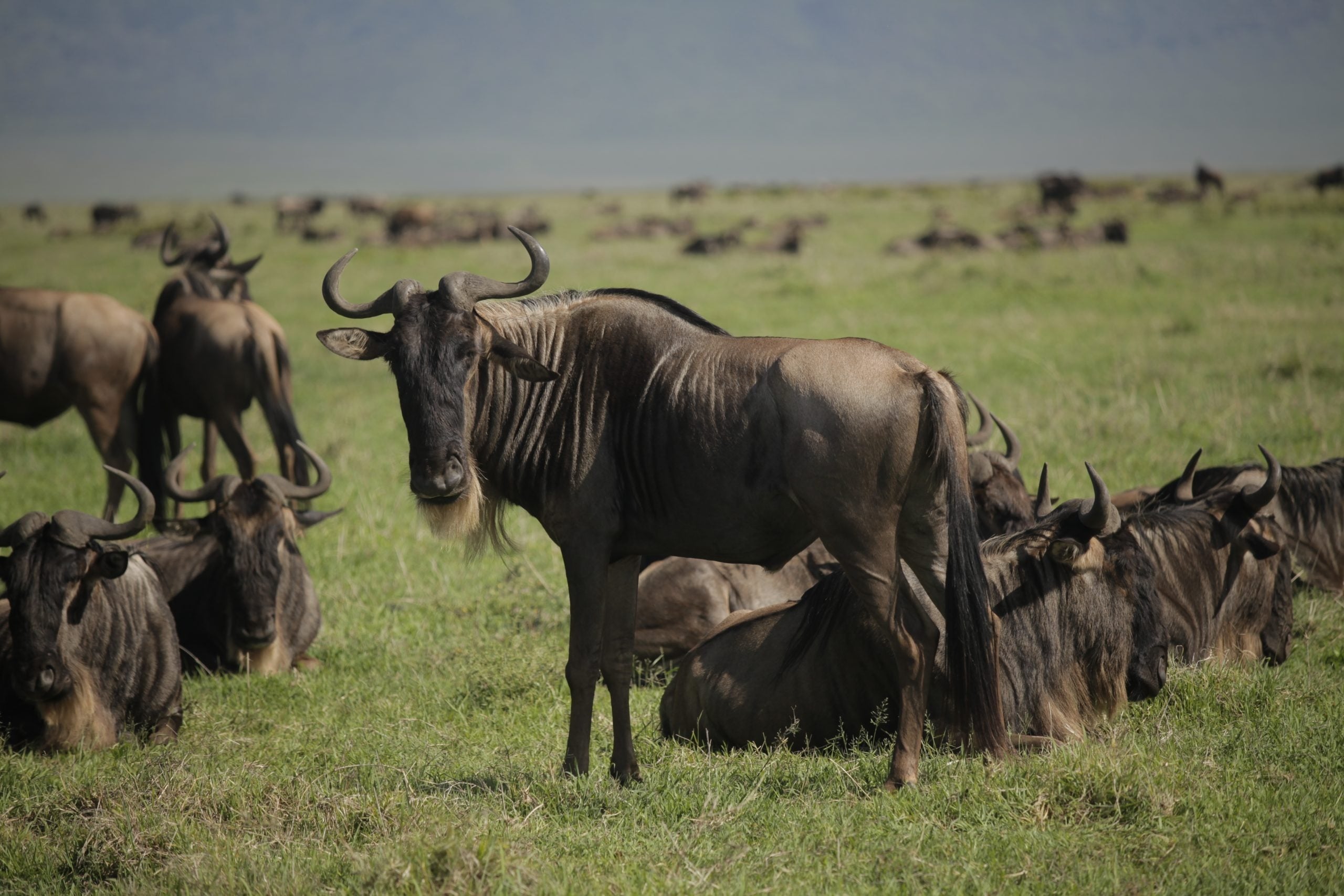
The Great Migration is the world's largest animal movement — approximately 1.5 million wildebeest, 500,000 zebra, and 200,000 Thomson's gazelle following the rains in a clockwise circuit through the Serengeti-Mara ecosystem.
Mara River Crossings — The Main Event
The river crossings are the most dramatic wildlife event on Earth. Thousands of wildebeest and zebra gather on the riverbank, building courage to cross the crocodile-infested waters. When the first animals leap in, chaos ensues — a primal struggle of survival that can last hours.
Best viewing areas for crossings:
- •Mara River along the Mara Triangle (western bank)
- •Lookout Hill near the main crossing points
- •Keekorok area in the central reserve
Crossing tips:
- •Crossings are unpredictable — herds can wait days before crossing
- •Stay at camps near the river for the best chances
- •Your guide's experience is everything — choose wisely
- •Mornings tend to see more crossings than afternoons
Best Areas in the Masai Mara
The Mara Triangle (Western Mara)
Managed by the Mara Conservancy, this area is generally less crowded than the main reserve and has excellent river crossing viewpoints.
Best camps: Angama Mara (cliff-top luxury), Sala's Camp, Kichwa Tembo
The Mara Reserve (Central)
The core area with the highest animal density. This is where most game drives focus.
Best camps: Governors' Camp, Little Governors', &Beyond Bateleur Camp
Private Conservancies (Surrounding the Reserve)
The private conservancies offer exclusive traversing rights with far fewer vehicles, plus night drives and walking safaris — activities not allowed in the main reserve.
Best conservancies:
- •Olare Motorogi — Arguably the best in the Mara. Maximum 5 vehicles per sighting.
- •Naboisho — Large, excellent leopard and cheetah sightings
- •Ol Kinyei — Intimate, family-friendly
- •Mara North — Secluded, great predator viewing
Masai Mara Costs
| Category | Price Per Night | Experience |
|---|---|---|
| Budget group camp | $200–$350 | Shared facilities, group drives |
| Mid-range tented | $400–$700 | Private tent, guided drives |
| Luxury camp | $700–$1,200 | All-inclusive, expert guides |
| Ultra-luxury | $1,200–$2,500 | Exclusive conservancy, private guide |
Park entry fees: $80/day for foreign adults (usually included in camp rates)
Best Time to Visit the Masai Mara
July–October — Migration Season (Peak)
- ✓Great Migration in full swing
- ✓Mara River crossings (August–September)
- ✓Highest predator activity
- ✗Peak prices, more vehicles at sightings
November–May — Green Season (Value)
- ✓Dramatically lower prices (30–50% savings)
- ✓Resident wildlife still exceptional
- ✓Calving season in the Serengeti (January–March)
- ✓Fewer tourists, more exclusive experience
- ✓Lush landscapes, baby animals
- ✗April–May: Some camps close, heavier rains
Must-Do Experiences
- Hot air balloon safari — Float over the Mara at dawn ($450/person)
- Mara River crossing — Witness the drama of the migration (July–October)
- Night drive — Spot nocturnal predators in the conservancies
- Walking safari — Trek with Maasai warriors through the bush
- Maasai village visit — Cultural exchange with traditional communities
- Bush breakfast/dinner — Dine under the stars in the heart of the Mara
Getting to the Masai Mara
- •By air: Daily flights from Nairobi Wilson Airport (45 minutes) — Safarilink, AirKenya
- •By road: 5–6 hours from Nairobi (scenic but rough final stretch)
- •From the Serengeti: Charter flights or overland (visa required at border)
Ready to experience the greatest wildlife show on Earth? Contact our Masai Mara specialists or browse our Kenya safari packages.