
Learn the essential rules of safari etiquette. From vehicle behaviour to photography manners, tipping customs to environmental responsibility, be the safari guest every guide loves.
Being a Great Safari Guest
Safari etiquette isn't about rigid rules—it's about respecting wildlife, fellow guests, and the incredible environments you're privileged to visit. Understanding and following safari etiquette ensures the best experience for everyone and contributes to the long-term conservation of Africa's wild places.
The best safari guests are those who approach the bush with humility, patience, and respect. The wildlife was here long before us and will hopefully be here long after. We are visitors in their home.
Vehicle Etiquette
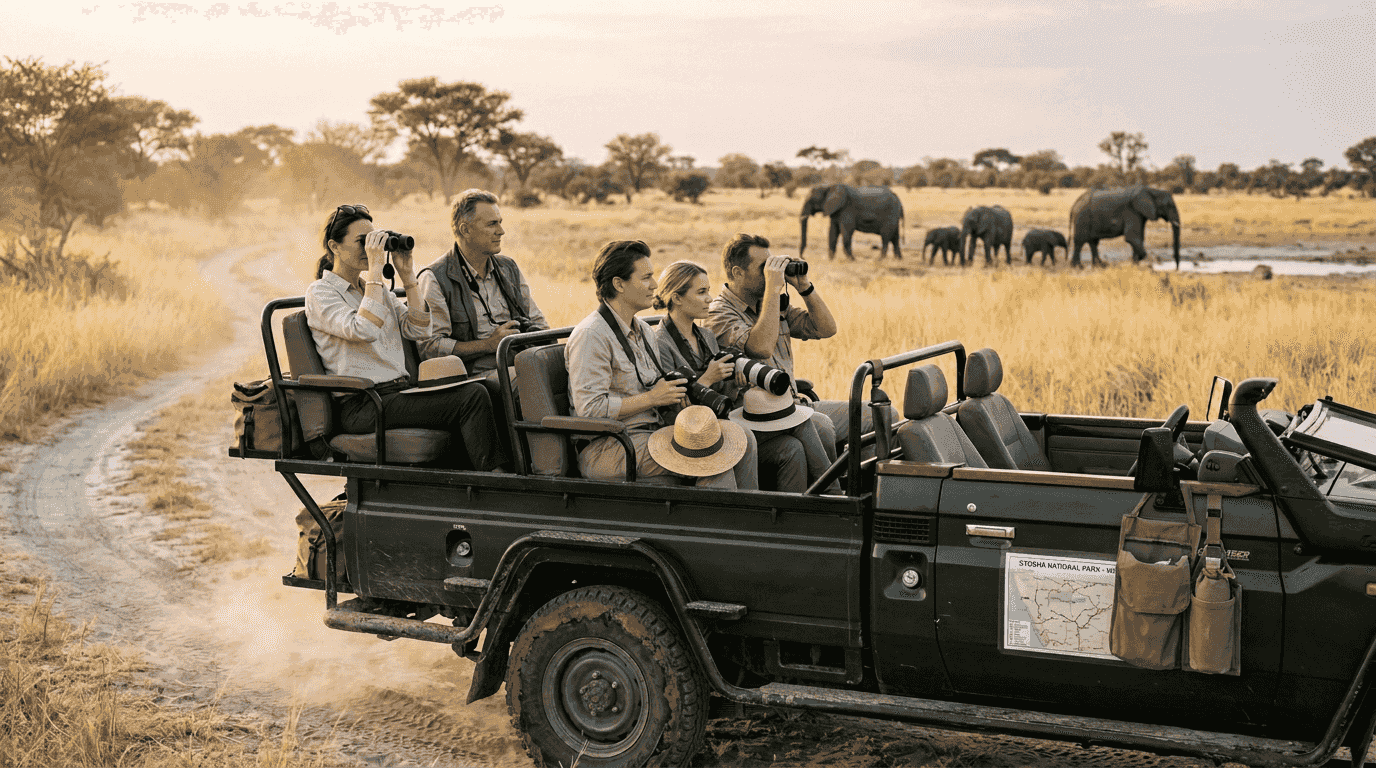
Stay seated: In open safari vehicles, remain seated unless your guide invites you to stand. Standing changes the vehicle's silhouette, which can alarm animals. Sudden movements are even worse—a quick stand or lunge for a camera can trigger a charge from an elephant or buffalo.
Keep limbs inside: Hands, arms, and feet must stay inside the vehicle at all times. Animals perceive the vehicle as one large, non-threatening shape. A protruding arm or leg breaks that silhouette and can provoke a reaction, especially from predators.
Don't direct the guide: Phrases like "get closer" or "follow that animal" put your guide in a difficult position. They know the safe distances, the park rules, and the animals' body language. Trust their judgment. If they keep distance, it's for your safety.
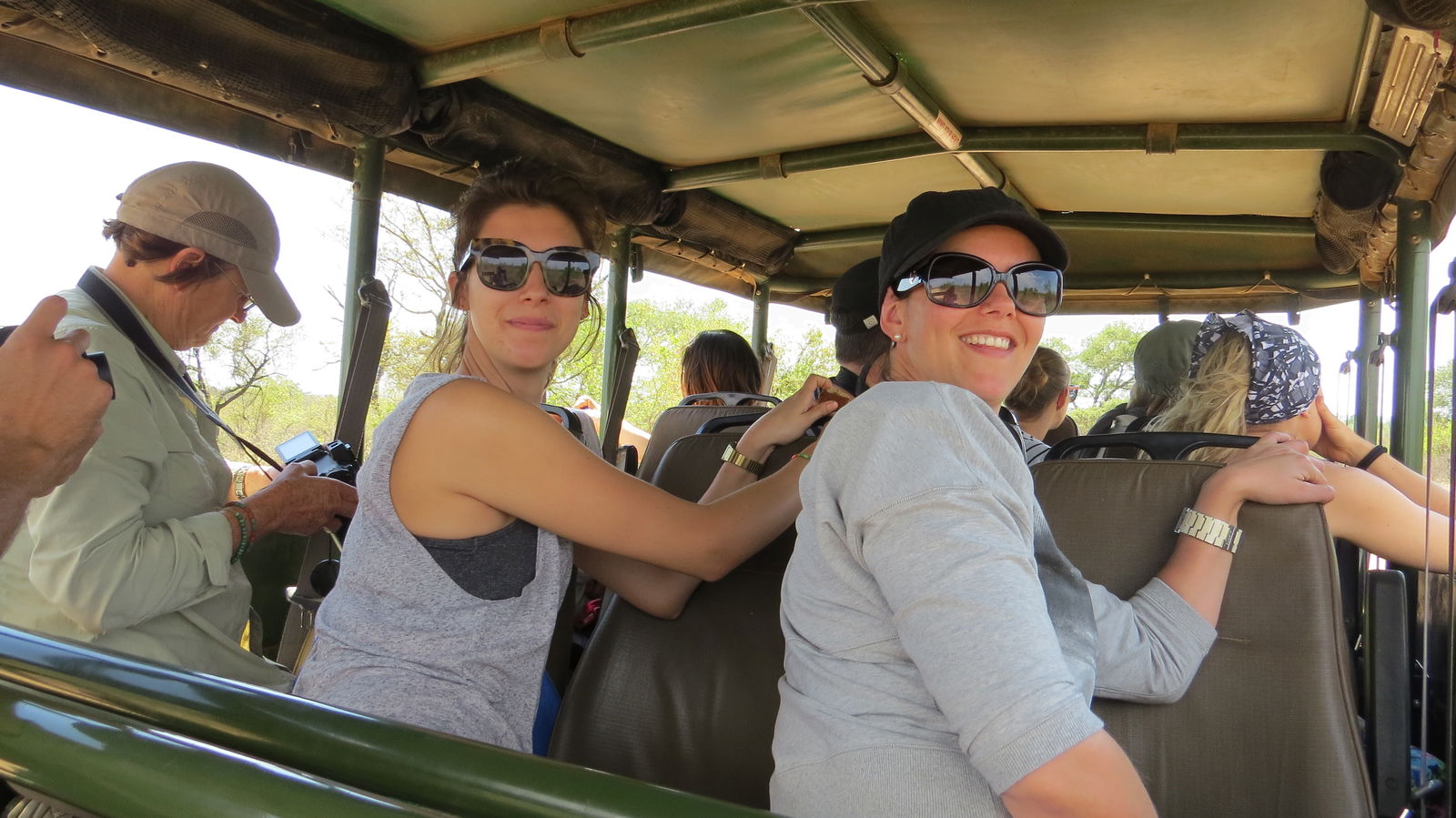
Share the sighting: In vehicles with multiple guests, be conscious of sight lines. Don't monopolise the best viewing position. Rotate seats between drives so everyone gets a turn on each side. When photographing, be mindful that others want to see too.
Noise and Behaviour
The bush communicates through sound. A francolin's alarm call signals a predator. A honey guide's call leads to beehives. An oxpecker's hiss warns of danger. By staying quiet, you hear these signals and see more wildlife as a result.
Keep voices to a whisper when near animals. Turn phones to silent before game drives. If you must make a phone call, wait until you're back at camp. Ring tones have been known to trigger charges from elephants and cause birds to flee. The noise rule isn't just etiquette—it's practical wildlife viewing strategy.
Photography Etiquette
Never use flash photography near wildlife—it can blind nocturnal animals and stress diurnal ones. Avoid camera shutter sounds near nervous species; switch to silent mode if your camera has it. Don't pressure your guide to get dangerously close for a photo. Ask before photographing local communities—many cultures consider it rude or invasive.
Environmental Responsibility
Take nothing but photographs, leave nothing but footprints. This applies to everything—don't pick flowers, collect stones, take feathers, or remove anything from the bush. Equally, don't leave anything behind—no litter, no food scraps, nothing.
Never feed wildlife. Habituating animals to human food is one of the most damaging things tourists can do. A baboon that associates humans with food becomes a dangerous nuisance and often has to be destroyed. A fed elephant will break into vehicles and camps seeking more food.
Respect designated paths and roads. Off-road driving (where prohibited) damages habitat, disturbs nesting birds, and destroys the very environment you've come to enjoy. If your guide offers to go off-road in a park where it's prohibited, refuse and report it.
Camp and Lodge Etiquette
Respect quiet hours (usually 10pm-5am)—sound travels far in the bush, and other guests may have early morning game drives. Don't walk around camp after dark without an escort—dangerous animals frequently pass through camps at night. Keep your tent/room zipped shut when you leave to prevent monkeys and other creatures from entering.
Tipping is expected and deeply appreciated. See our Safari Tipping Guide for specific recommendations. Remember that staff in many safari areas support extended families with their income, and gratuities make a real difference.
The golden rule of safari etiquette: treat the wilderness with the respect it deserves, and it will reward you with experiences beyond your imagination. Contact us to start planning your respectful safari adventure.