
Complete health preparation guide for African safaris. Learn which vaccinations you need, malaria prevention strategies, travel insurance requirements, and how to stay healthy on safari.
Preparing Your Health for an African Safari Adventure
A safari in Africa is a life-changing experience, and proper health preparation ensures you enjoy every moment. From vaccinations to malaria prevention, sun protection to altitude considerations, this guide covers everything you need to know about staying healthy before, during, and after your safari.
The good news is that with proper preparation, health risks on safari are minimal. Modern safari lodges maintain excellent hygiene standards, medical evacuations are available in emergencies, and most health issues are entirely preventable with the right precautions.
Essential Vaccinations for Safari Travel
Visit a travel health clinic or tropical disease specialist at least 6-8 weeks before your safari. Some vaccines require multiple doses over several weeks, and you need time for immunity to develop. Here's what most travel doctors recommend:
Routinely Recommended: Hepatitis A is essential for all safari destinations—it's transmitted through contaminated food and water. Hepatitis B is recommended for longer stays or if you might need medical treatment. Ensure your Tetanus-Diphtheria-Pertussis (Tdap) booster is current (every 10 years), and a Typhoid vaccine is recommended for all safari travellers.
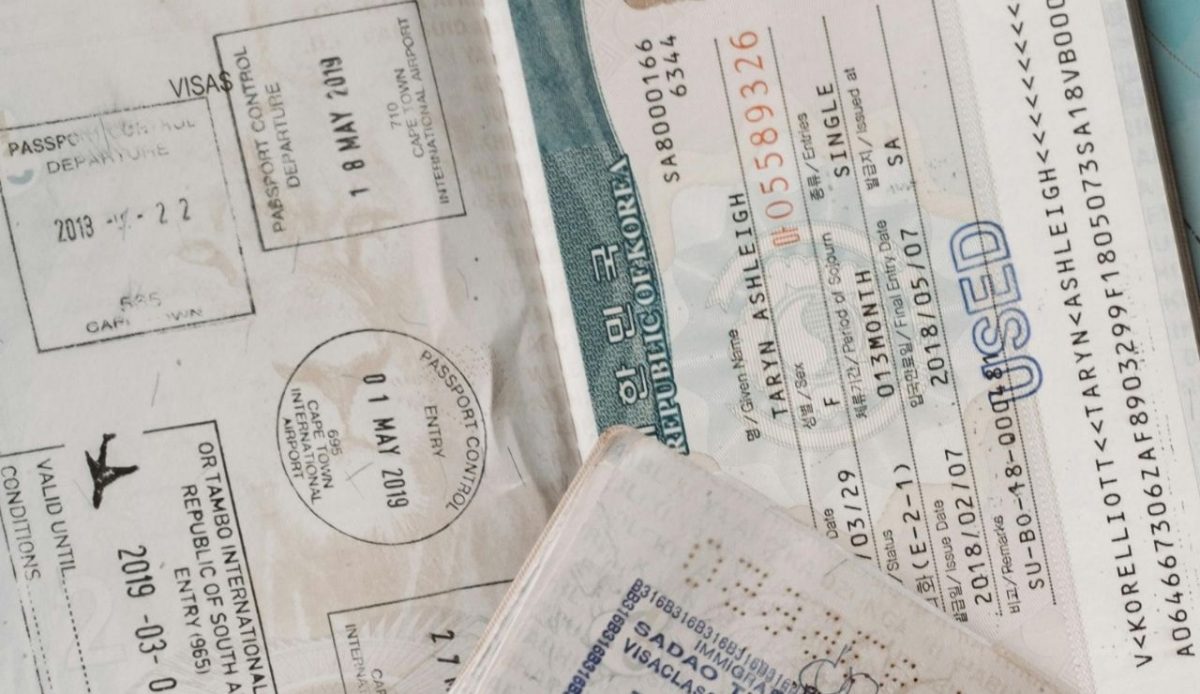
Yellow Fever: This is the most important vaccination for African travel. It's legally required for entry to Uganda, Rwanda, and Tanzania (including Zanzibar). Even where not legally required, it's recommended for travel to Kenya, Ethiopia, and parts of Zambia. The vaccine provides lifetime immunity with a single dose, costs $150-300 USD, and must be administered at an approved yellow fever vaccination centre.
Situationally Recommended: Rabies vaccination is worth considering if you're doing walking safaris or spending extended time in rural areas. The pre-exposure series (3 doses) doesn't eliminate the need for post-exposure treatment but simplifies it significantly. Cholera vaccination may be recommended for certain destinations during outbreaks. Meningitis vaccination is recommended for travel during dry season in the meningitis belt (Sahel region).
Malaria Prevention: Your Most Important Health Decision
Malaria is present in most safari destinations and is the single biggest health consideration for safari travellers. It's transmitted by Anopheles mosquitoes, which bite primarily between dusk and dawn. Prevention involves a two-pronged approach: anti-malarial medication and bite prevention.
Anti-Malarial Medications: Malarone (atovaquone-proguanil) is the most popular choice for safari travellers. It has few side effects, is taken daily starting 1-2 days before entering the malaria zone, and continued for 7 days after leaving. Doxycycline is a cheaper alternative, taken daily, but can cause sun sensitivity—not ideal for outdoor safaris. Mefloquine (Lariam) is taken weekly but has a higher incidence of neuropsychiatric side effects.
Bite Prevention: Even with medication, avoiding mosquito bites is crucial. Apply insect repellent with at least 30% DEET to exposed skin at dusk and dawn. Wear long sleeves and trousers in the evenings. Sleep under mosquito nets (provided at virtually all safari accommodations). Many lodges also provide mosquito coils and spray in rooms.
Destination Risk Levels: High-risk areas include the Okavango Delta, Kruger lowveld, Zambezi region, Lake Malawi, and coastal East Africa. Lower-risk areas include Cape Town, highland areas of Kenya and Tanzania, and Namibia's central regions. Even in "low-risk" areas, precautions are recommended during rainy season.
Travel Insurance: Non-Negotiable for Safari
Comprehensive travel insurance is absolutely essential for any African safari. Medical evacuation from a remote bush camp can cost $50,000-100,000 USD without insurance. Ensure your policy covers:
Emergency medical evacuation (including air ambulance), medical expenses up to at least $500,000, trip cancellation and interruption, lost or delayed luggage, and adventure activities if you plan to do walking safaris, hot air balloon rides, or other active pursuits. Read the fine print regarding pre-existing conditions and ensure safari activities are covered.
We recommend World Nomads, Allianz Global Assistance, or IMG Global for safari travel insurance. Many premium safari operators require proof of travel insurance before confirming bookings, and it's standard practice in the industry for good reason.
Staying Healthy on Safari: Daily Precautions
Water and Food Safety: Drink only bottled or purified water. Most safari lodges provide safe drinking water, but always confirm. Avoid raw vegetables and salads unless you're at a high-end lodge with verified food safety practices. Eat freshly cooked food, and avoid street food in transit towns unless you have a strong stomach.
Sun Protection: The African sun is intense, especially at altitude. Apply SPF 50+ sunscreen every 2-3 hours, even on cloudy days. Wear a wide-brimmed hat, UV-protective sunglasses, and light long-sleeved clothing. Dehydration is common—drink at least 2-3 litres of water daily, more in hot conditions.
Altitude Considerations: If your safari includes destinations like the Ngorongoro Crater rim (2,300m), parts of the Kenyan highlands, or pre/post-safari Kilimanjaro climbs, altitude sickness is possible. Ascend gradually, stay hydrated, and consult your doctor about acetazolamide (Diamox) if concerned.
Wildlife Safety: Never approach or feed wild animals. Maintain safe distances as instructed by your guide. In camp, don't walk alone after dark—hippos, buffalo, and other dangerous animals may be present. Always keep your tent or room zipped shut to prevent unwanted visitors.
Safari Medical Kit Essentials
Pack a personal medical kit even though lodges have first aid supplies. Include: prescription medications (in original packaging with a doctor's letter), anti-diarrheal medication (Imodium), oral rehydration salts, antihistamines for allergic reactions, pain relievers (paracetamol/ibuprofen), insect repellent (30%+ DEET), sunscreen SPF 50+, hand sanitiser, plasters and bandages, antiseptic cream, motion sickness tablets if prone, eye drops for dusty conditions, and lip balm with SPF.
If you wear contact lenses, bring glasses as backup—dust on game drives can be irritating. Pack prescription medications in your carry-on luggage, never in checked bags. Bring a copy of your prescriptions in case you need refills.
After Your Safari: Post-Travel Health
Complete your full course of anti-malarial medication after returning home. If you develop fever, headache, muscle aches, or flu-like symptoms within 12 months of returning from a malaria area, seek medical attention immediately and tell the doctor you've been to Africa. Malaria can develop weeks or even months after exposure.
Most safari-related illnesses (traveller's diarrhoea, minor sun exposure) resolve quickly. However, persistent symptoms should always be evaluated by a doctor familiar with tropical medicine.
At Simba Beyond Africa Safaris, your health and safety are our top priorities. We provide detailed pre-trip health guidance tailored to your specific itinerary and ensure all our partner lodges meet the highest safety standards. Contact us to start planning your healthy safari adventure.