
Tanzania is the ultimate safari destination — the Serengeti, Ngorongoro Crater, and Kilimanjaro in one country. This complete guide covers the best parks, seasons, costs, and itineraries for your Tanzania safari.
Tanzania is the birthplace of the African safari experience. Home to the legendary Serengeti, the breathtaking Ngorongoro Crater, and the snow-capped peak of Kilimanjaro, Tanzania offers a concentration of natural wonders that no other country can match.
Why Tanzania? Africa's Greatest Wildlife Theater
With over 16 national parks and numerous game reserves covering nearly a third of the country, Tanzania is a wildlife superpower. The numbers speak for themselves:
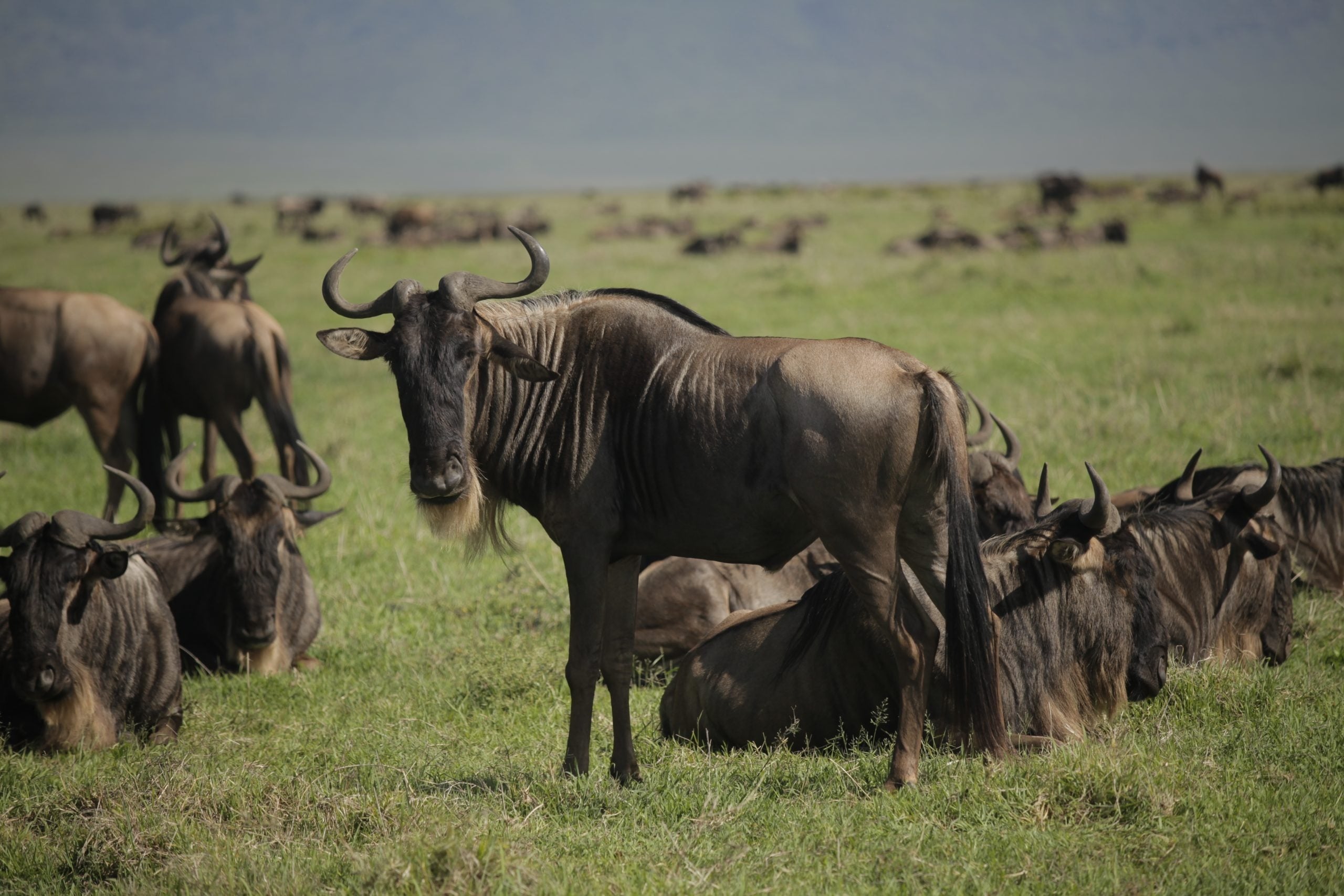
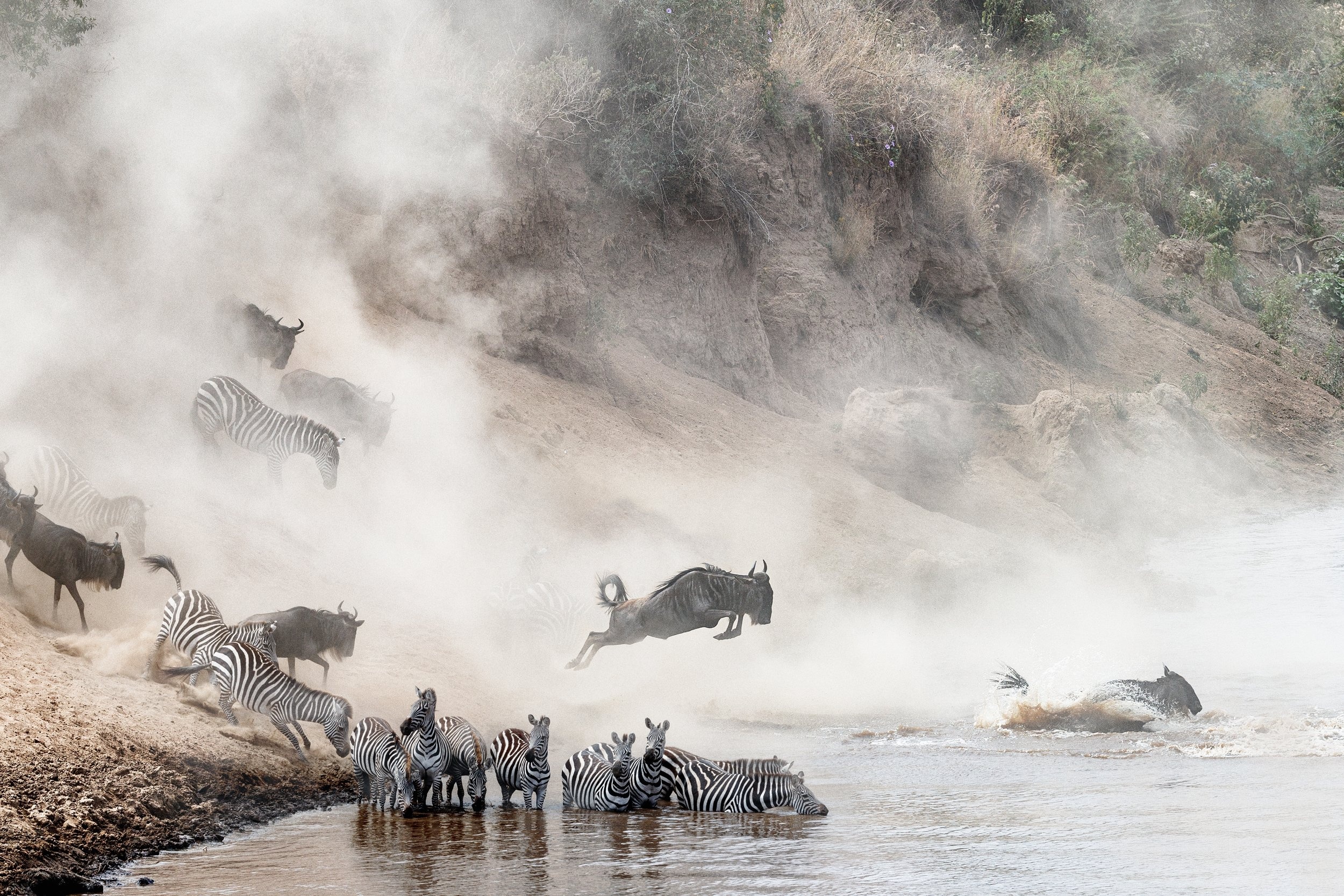
- •1.5 million wildebeest crossing the Serengeti during the Great Migration
- •30,000+ large animals living in the 260 km² Ngorongoro Crater
- •5 of the Big Five easily seen in most parks
- •The highest mountain in Africa — Mount Kilimanjaro (5,895 m)
- •Zanzibar — a tropical island paradise just a short flight away
Best Safari Areas in Tanzania
The Serengeti — Where It All Began
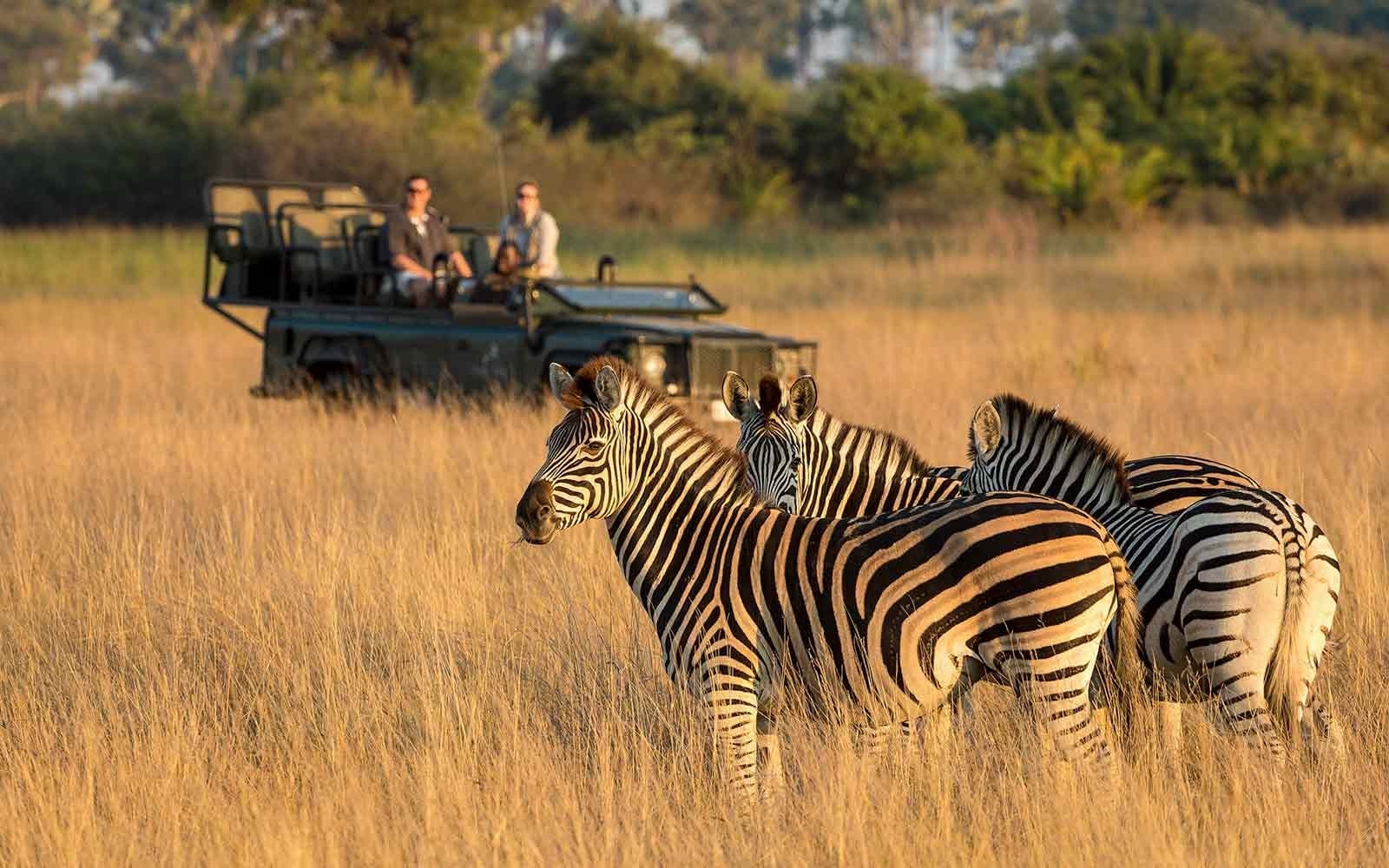
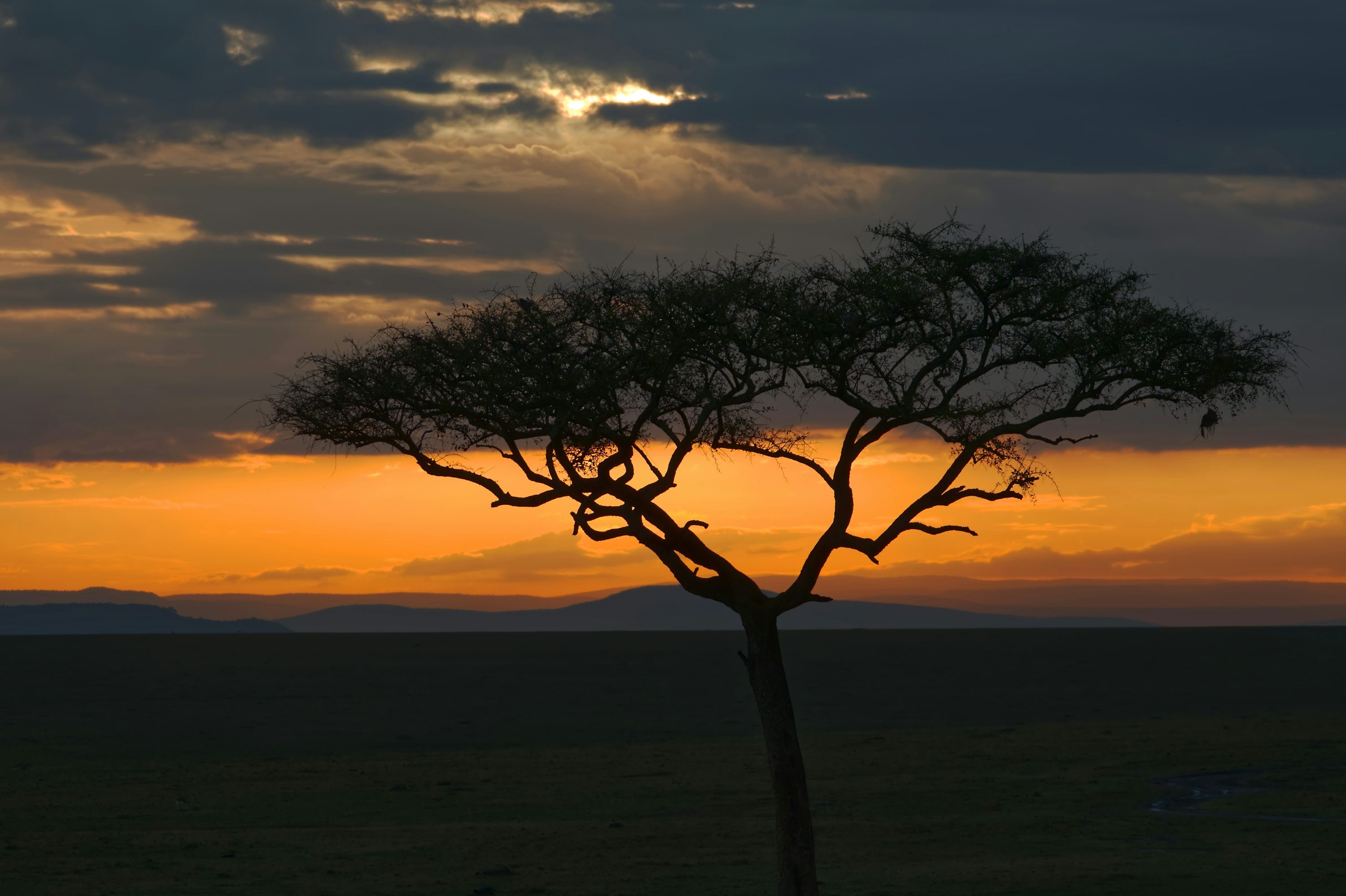
The Serengeti is the most famous wildlife reserve in the world, and for good reason. This 14,763 km² ecosystem hosts the Great Migration — the largest movement of animals on the planet — and offers year-round exceptional wildlife viewing.
What to expect:
- •The Great Migration (wildebeest, zebra, gazelle) moving through different areas year-round
- •Outstanding predator sightings — the Serengeti has one of the highest lion densities in Africa
- •Leopard sightings in the Seronera area
- •Cheetah hunting on the short-grass plains
- •Hot air balloon safaris over the Serengeti plains at dawn
Best camps: Singita Grumeti, &Beyond Serengeti Under Canvas, Four Seasons Safari Lodge, Nomad Serengeti Safari Camp
Migration timing:
- •January–March: Southern Serengeti (calving season — 8,000 babies born daily!)
- •April–May: Central Serengeti (moving north, green season)
- •June–July: Western Corridor (Grumeti River crossings)
- •August–October: Northern Serengeti (Mara River crossings — the most dramatic)
- •November–December: Eastern/Southern Serengeti (short rains, migration returns south)
Ngorongoro Crater — The Eighth Wonder
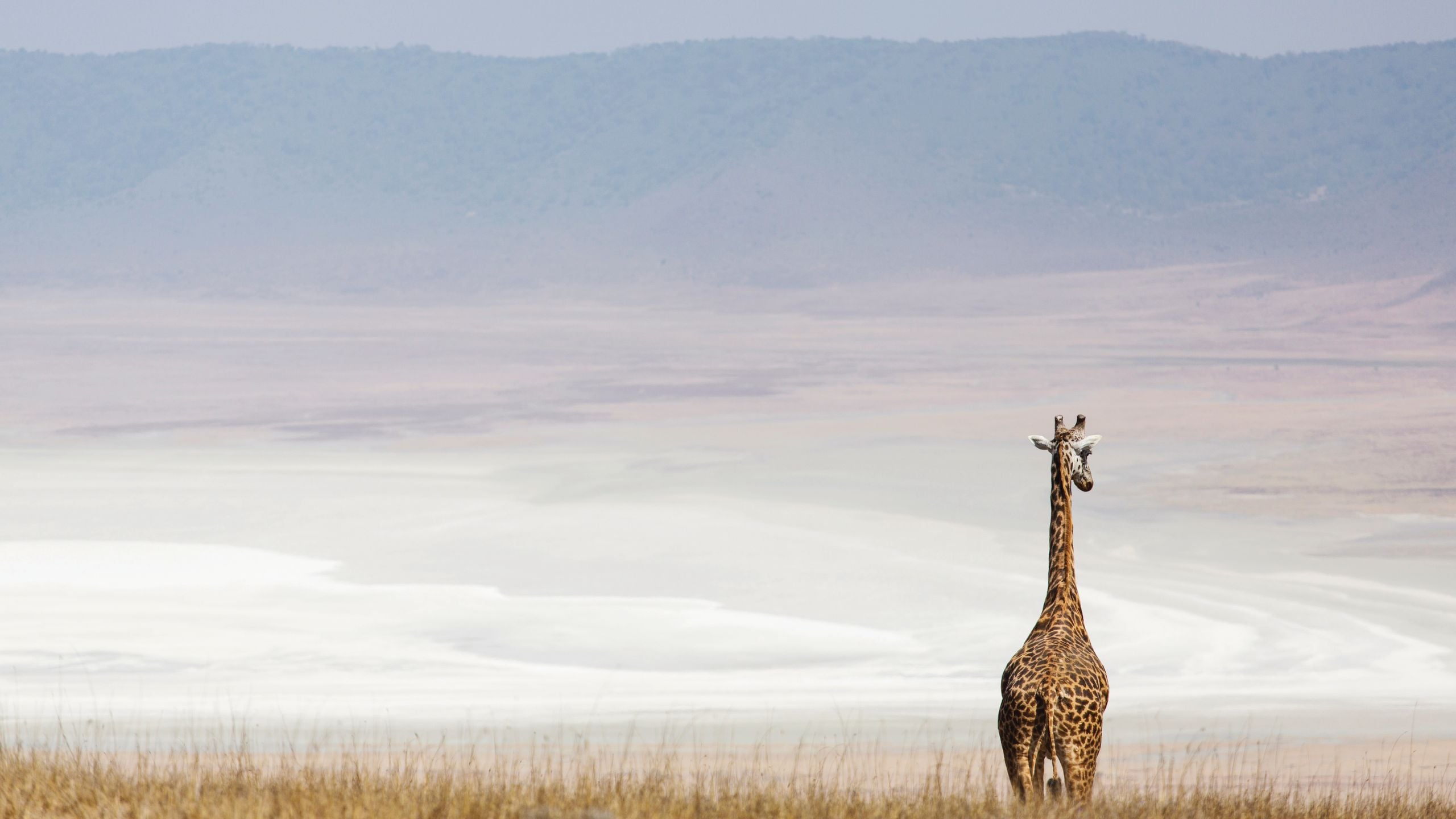
The Ngorongoro Crater is a collapsed volcanic caldera that has become a natural amphitheater teeming with wildlife. At 260 km², it's the largest unbroken caldera in the world, and it contains an astonishing density of animals — including the endangered black rhino.
What to expect:
- •Big Five sightings often possible in a single game drive
- •Black rhino — one of the best places in Africa to see them
- •Flamingos on the alkaline lake
- •Large-tusked elephants (some of the last "big tuskers" in Africa)
- •Maasai culture and heritage around the crater rim
Best lodges: &Beyond Ngorongoro Crater Lodge, The Highlands by Asilia, Neptune Ngorongoro
Tarangire National Park — The Hidden Gem
Tarangire is Tanzania's best-kept secret. During the dry season, this park draws enormous herds of elephants — often 300+ strong — to the Tarangire River, creating some of Africa's most spectacular elephant encounters.
What to expect:
- •Massive elephant herds (July–October)
- •Iconic baobab tree landscapes
- •Excellent tree-climbing lion sightings
- •Over 550 bird species
- •Fewer crowds than the Serengeti or Ngorongoro
Best camps: Oliver's Camp, Tarangire Treetops, Swala Camp
Tanzania Safari Costs
| Category | Price Per Night | What to Expect |
|---|---|---|
| Budget camping | $250–$400 | Shared camps, group game drives |
| Mid-range lodge | $400–$800 | Private lodge, guided game drives |
| Luxury tented | $800–$1,500 | All-inclusive, private guide |
| Ultra-luxury | $1,500–$3,000 | Exclusive camps, charter flights |
Park fees: Tanzania charges $60–$82 per person per day for park entry (Serengeti is $82). This is usually included in package prices.
Tip: The green season (March–May) offers 30–50% savings at many camps.
Best Time to Visit Tanzania
Dry Season (June–October) — Peak Wildlife
Best for: Overall wildlife viewing, migration crossings
- ✓Animals gather at water sources — easy to spot
- ✓Northern Serengeti river crossings (July–October)
- ✓Clear skies, excellent photography
- ✗Peak pricing and busier parks
Calving Season (January–March) — Hidden Gem
Best for: Southern Serengeti, predator action
- ✓500,000 wildebeest calves born in 3 weeks
- ✓Predators at their most active
- ✓Lush green landscapes
- ✓Fewer tourists than dry season
Green Season (March–May) — Value Season
Best for: Budget travelers, birding, photography
- ✓Dramatically lower prices
- ✓Beautiful green landscapes
- ✓Migratory bird species arrive
- ✗Some roads become muddy
- ✗Several camps close in April
Our Top Tanzania Itineraries
7-Night Northern Circuit Classic
- •Day 1: Arrive Arusha
- •Days 2–3: Tarangire National Park
- •Day 4: Ngorongoro Crater (full-day game drive)
- •Days 5–7: Serengeti National Park
- •Day 8: Fly Serengeti to Arusha, depart
- •From $3,800 per person mid-range
10-Night Safari & Beach
- •Days 1–7: Northern Circuit (as above)
- •Days 8–10: Zanzibar beach relaxation
- •From $5,500 per person mid-range
5-Night Great Migration Special
- •Days 1–2: Ngorongoro Crater
- •Days 3–5: Serengeti (positioned for migration based on timing)
- •From $3,200 per person mid-range
Practical Tips for Tanzania Safari
- •Yellow fever certificate required if arriving from an endemic country
- •Malaria precautions essential — consult your travel doctor
- •Tanzania visa available on arrival ($50 for most nationalities) or e-visa
- •Tipping expected: $15–20/day for guide, $10/day for camp staff
- •Zanzibar add-on — highly recommended for 2–3 nights post-safari
Ready to witness the Serengeti's endless plains? Contact our Tanzania safari specialists or explore our curated Tanzania packages.