
Where to go for the best wildlife photography on safari. Expert recommendations for dramatic light, photogenic subjects, and lodges that cater to serious photographers.
Africa Through a Lens: The Best Photography Destinations
Not all safari destinations are created equal for photography. The variables that matter to photographers — quality of light, animal density and behaviour, background aesthetics, vehicle positioning rules, and guide expertise — vary enormously between parks. This guide identifies the destinations that consistently produce the most stunning wildlife images.
Top 5 Photography Destinations
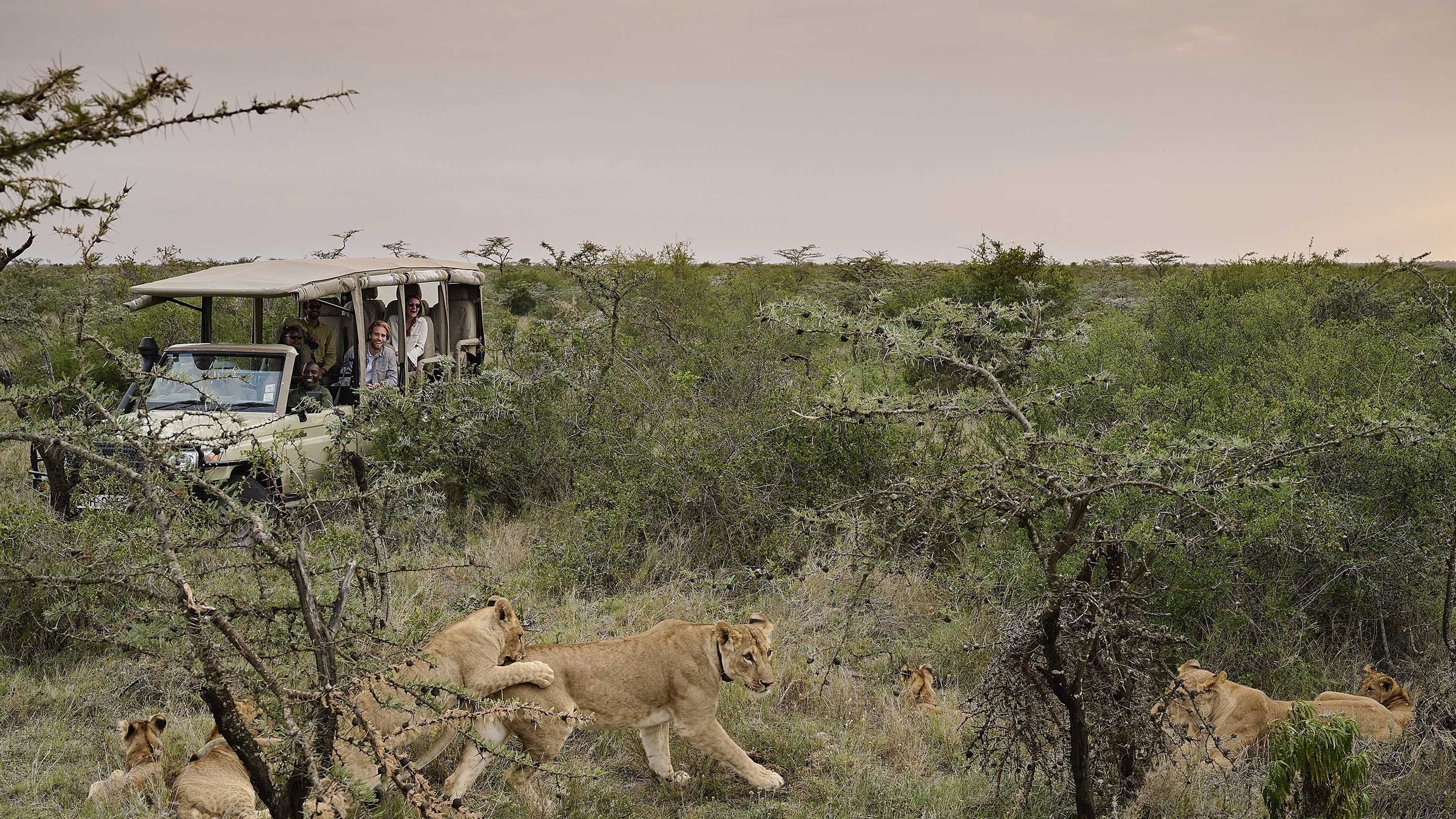
1. Masai Mara, Kenya: The Mara's open plains provide clean backgrounds, and the migration (July-October) offers epic scale. The light is extraordinary — warm, golden, and often backlit with dust particles creating atmosphere. Private conservancies allow off-road positioning for perfect angles. The density of big cats means action is frequent.
2. Sabi Sands / Greater Kruger: Off-road tracking means your guide can position the vehicle perfectly for light direction. Habituated leopards provide close-up opportunities found nowhere else. The riverine woodland creates beautiful, textured backgrounds. Night drives with spotlights reveal the nocturnal bush. This is the best destination for predator portraits.
3. Amboseli, Kenya: The Kilimanjaro backdrop creates images that are instantly recognizable. Dust kicked up by elephant herds creates atmospheric, moody shots when backlit. The open terrain means you can see activity from distance and position yourself before the action arrives.
4. Okavango Delta, Botswana: Water creates reflections, dramatic splash shots (wild dogs crossing channels, elephants swimming), and unique perspectives from mokoro canoes. The green season (December-March) produces the most vivid colours. The Delta's diversity — water, woodland, open floodplain — offers variety in a single location.
5. Zimanga Private Reserve, South Africa: Purpose-built photography hides with controlled lighting, eye-level water features, and overnight hides for nocturnal species. Zimanga is designed specifically for wildlife photography and produces portfolio-quality images consistently. Not a traditional safari, but a photographer's paradise.
Tips for Photographers
Book a private vehicle — you control positioning, timing, and don't compromise for other guests' sightings. Tell your guide photography is your priority — they'll adjust driving patterns, spend longer at sightings, and position for light. Shoot during golden hours (first and last 90 minutes of daylight). Bring a bean bag for stability. And sometimes, put the camera down and just watch. Plan your photography-focused safari.