
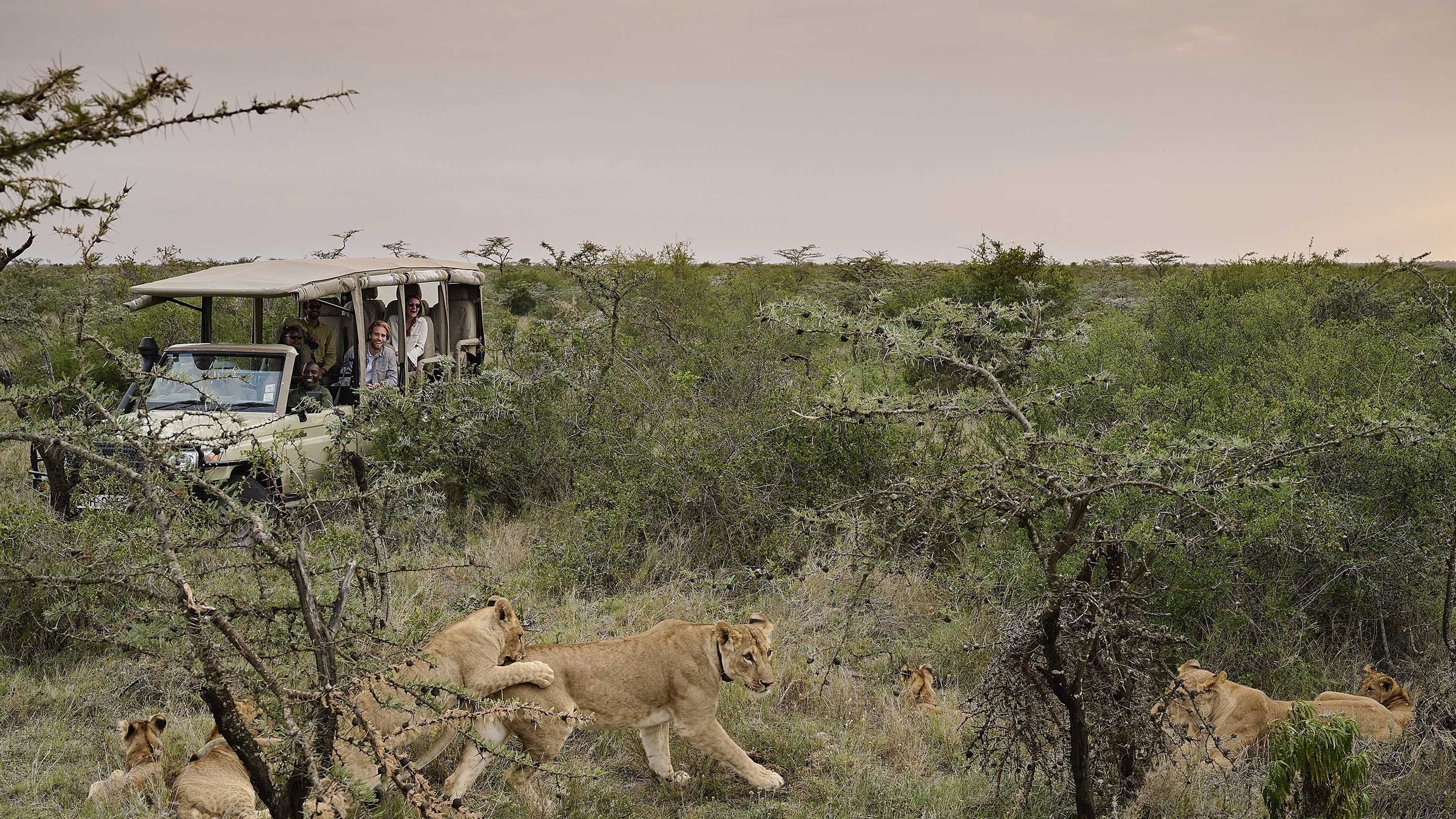
A photography safari is the ultimate way to capture Africa's wildlife. This guide covers the best destinations, essential camera gear, settings for wildlife shots, and specialized photography safari lodges with custom vehicles.
Africa is the world's greatest wildlife photography studio. The golden light, the dramatic landscapes, and the sheer abundance of charismatic megafauna create opportunities for images that define a lifetime. Whether you're a smartphone shooter or a professional with a 600mm lens, a photography safari will transform your craft.
Best Destinations for Photography Safaris
Masai Mara, Kenya — Drama & Action
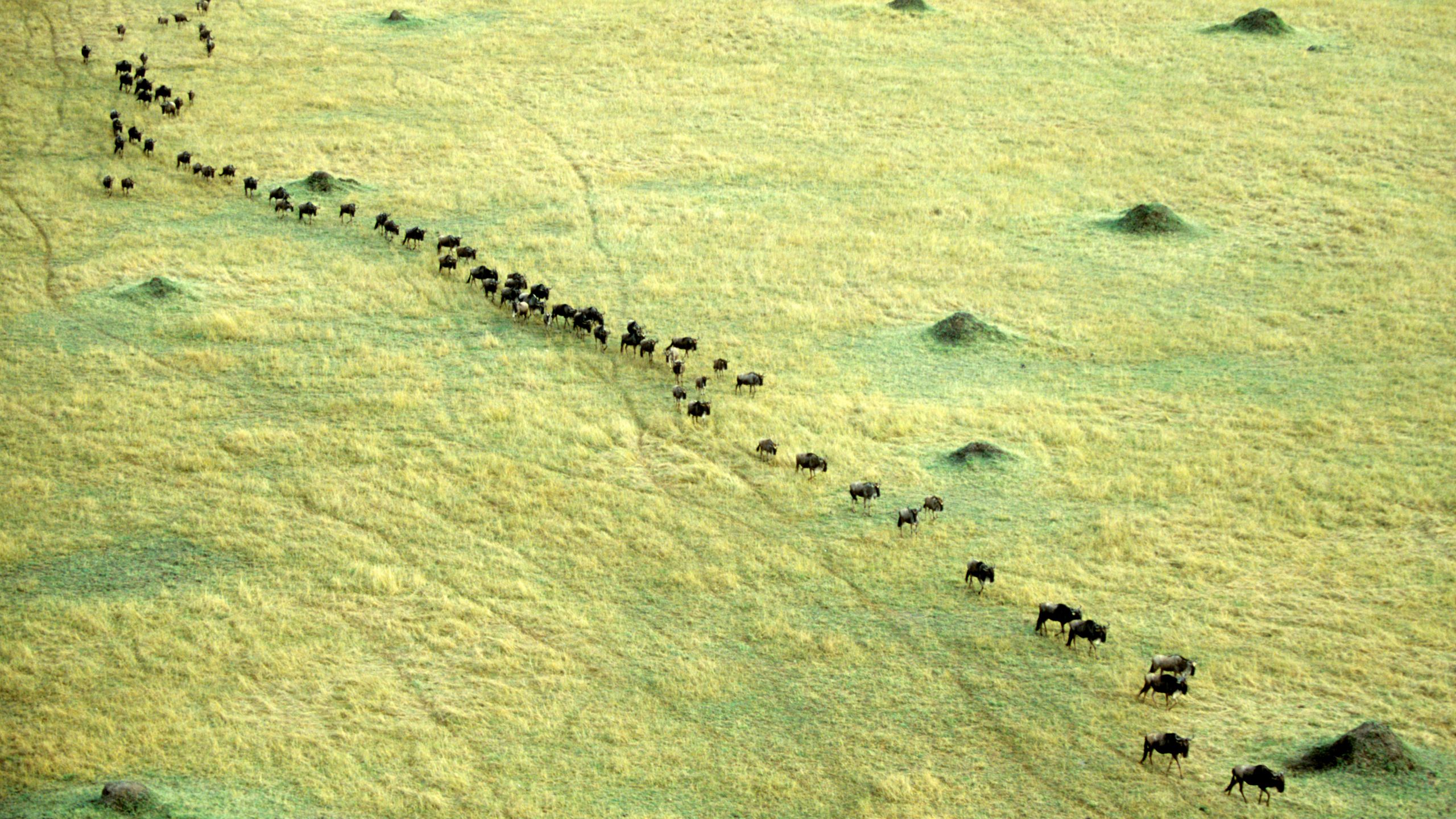
The Mara delivers the most dramatic wildlife action shots on Earth — Great Migration river crossings, lion hunts on the golden plains, and cheetah sprinting through long grass. The flat terrain and open grasslands create clean backgrounds.
Best for: Action shots, migration, predator behavior
Light: Stunning golden hour light (6:00–7:30 AM, 4:30–6:30 PM)
Best season: July–October (migration), January–March (green season dramatic skies)
Sabi Sand/Kruger, South Africa — Intimate Encounters
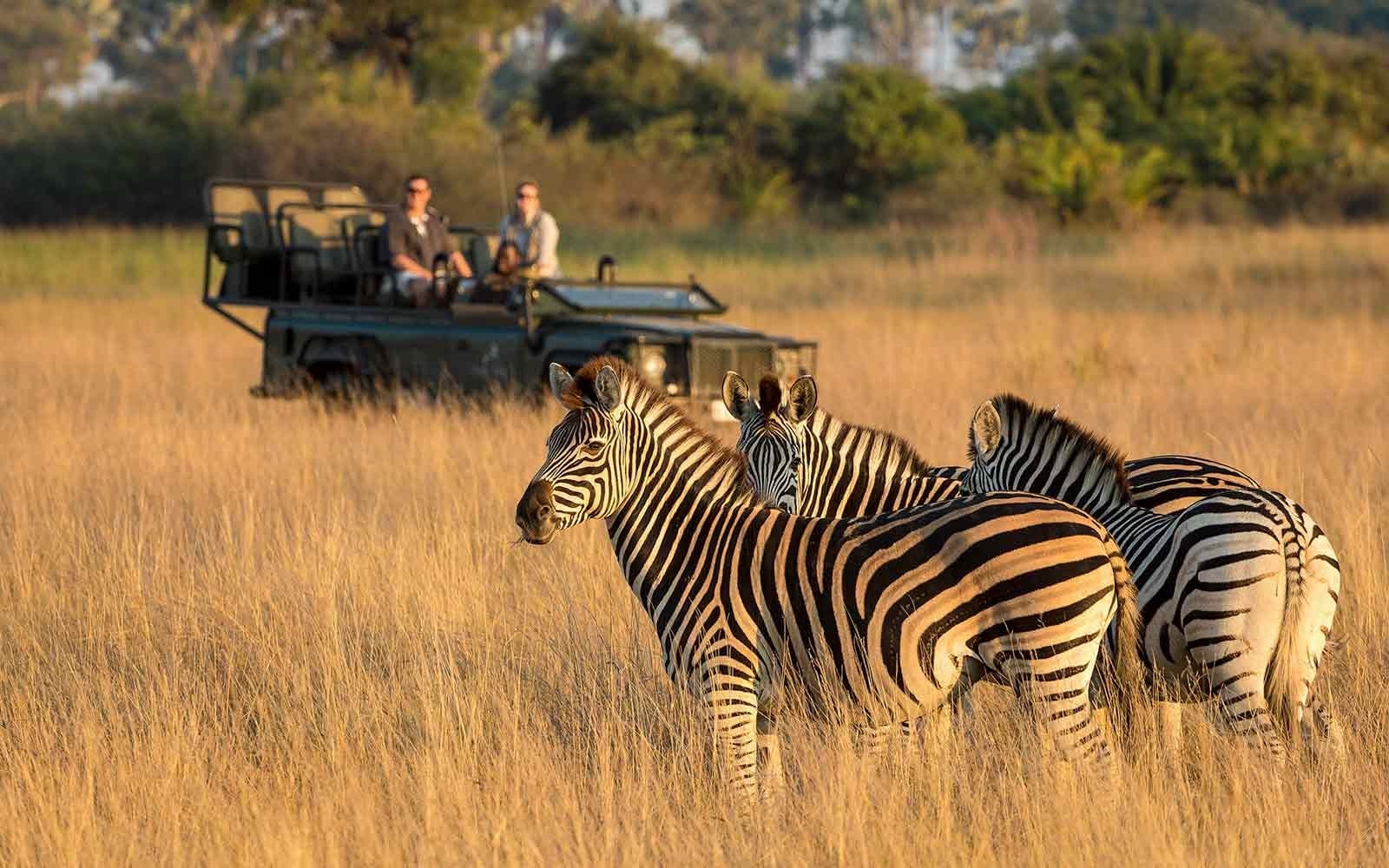
The Sabi Sand's habituated leopards offer the closest big cat encounters in Africa. Off-road driving means guides can position vehicles for perfect angles and lighting.
Best for: Leopard portraits, close-up encounters, bird photography
Key species: Leopard (world's best sightings), lion, elephant, wild dog
Best lodges: Londolozi (legendary leopard), MalaMala, Singita
Zimanga, South Africa — Purpose-Built Photo Hides
Zimanga Private Game Reserve in KwaZulu-Natal was designed specifically for photographers, with purpose-built photographic hides at water level.
Best for: Eye-level shots, drinking behavior, reflections
Hides include: Overnight hide, scavenger hide, bird bath hide
Best species: African wild cat, porcupine, genet, hyena, many bird species
Mana Pools, Zimbabwe — Eye-Level Walking
Mana Pools allows walking safaris that put you at eye level with wildlife — the holy grail of wildlife photography. Standing 20 meters from a wild dog pack at their level produces images impossible from a vehicle.
Best for: Walking photography, wild dog, elephant, creative angles
Special: Elephants stand on hind legs to reach acacia pods (iconic shot)
Okavango Delta, Botswana — Water & Wildlife
The Delta offers unique water-based photography opportunities — elephants swimming, lechwe leaping through lagoons, and fish eagles swooping overhead. The reflections and water-light combination create magical images.
Best for: Water reflections, swimming elephants, mokoro perspectives, birding
Essential Camera Gear for Safari
Camera Body
- •Mirrorless: Sony A7 IV/A9 III, Canon R5/R6, Nikon Z8/Z9 (fast autofocus, excellent low-light)
- •DSLR: Canon 5D IV, Nikon D850 (reliable, great lenses available)
- •Crop sensor: Excellent for extra reach — a 400mm becomes 600mm equivalent
- •Key specs to prioritize: Fast autofocus, good ISO performance (up to 6400+), fast burst rate (10+ fps)
Lenses (Priority Order)
- 100–400mm or 200–600mm zoom — Your primary wildlife lens (covers 90% of situations)
- 70–200mm f/2.8 — Versatile for wider scenes, closer animals, and camp life
- Wide-angle (16–35mm) — Landscapes, starry skies, camp interiors
- Teleconverter 1.4x — Extends reach without extra lens weight
Accessories
- •Bean bag — Essential for vehicle-based shooting (rests on window/door)
- •Extra batteries (3–4) — Cold mornings drain batteries fast
- •Memory cards (256 GB+) — Shoot RAW, expect 2,000+ images per day
- •Lens cloth + blower — Dust is constant on safari
- •Rain cover — Protect gear during sudden storms
- •Portable hard drive — Back up images every evening
- •Lightweight tripod — For star trails and sunset shots
Camera Settings for Wildlife
General Safari Settings
- •Mode: Aperture Priority (Av/A) for most situations, Shutter Priority (Tv/S) for action
- •Autofocus: Continuous AF (AI Servo / AF-C), area/zone focus
- •Drive mode: High-speed continuous burst
- •Image format: RAW (always!)
- •ISO: Auto ISO with upper limit of 6400–12800
Specific Scenarios
| Scenario | Shutter Speed | Aperture | ISO |
|---|---|---|---|
| Animal portrait | 1/500+ | f/4–f/5.6 | Auto |
| Running/flying | 1/2000+ | f/5.6–f/8 | Auto |
| Low light (dawn) | 1/500 | Wide open | 3200–6400 |
| Birds in flight | 1/3000+ | f/6.3–f/8 | Auto |
| Landscape | 1/250 | f/8–f/11 | 100–400 |
| Night sky/stars | 15–25 sec | f/2.8 | 3200–6400 |
Composition Tips
- •Eyes sharp — Always focus on the nearest eye
- •Rule of thirds — Place the animal's eye on a power point
- •Space to move — Leave space in front of a moving animal
- •Background awareness — A clean, blurred background makes images pop
- •Tell a story — Behavior shots (hunting, feeding, playing) beat portraits
- •Get low — Eye-level or below creates the most powerful images
- •Patience — Wait for the moment. The best shots come to those who wait.
Photography Safari Tips from the Pros
- Wake early — The first hour of light is pure gold. Be on the vehicle at gate opening.
- Shoot into the sun — Backlit subjects create dramatic rim lighting
- Focus on behavior — A yawning lion beats a sleeping lion
- Use burst mode freely — Memory is cheap, moments are not
- Clean your sensor — Dust shows in shots, especially at smaller apertures
- Practice at home — Get comfortable with your gear before the trip
- Keep a charged backup — Dead battery = missed shot
- Talk to your guide — Tell them you're a photographer; they'll position the vehicle differently
- Don't chimpy — Resist checking every shot on the back of the camera; stay in the moment
- Edit ruthlessly — Keep only your best 50 images from each day
Ready to capture Africa's wildlife? Plan your photography safari with our experts who know exactly where to position you for the shot of a lifetime.