
Discover the dramatic cliffs of Cape Point and the legendary Cape of Good Hope. Complete guide with hiking trails, lighthouse tours, entrance fees, and the best day tours from Cape Town.
Standing at the edge of the African continent, where the Atlantic and Indian Oceans collide in a dramatic spray of white water, you feel the raw power of nature at its most elemental. Cape Point and the Cape of Good Hope are not just landmarks — they are experiences that fundamentally shift your perspective of the world.
The Legend of the Cape
Portuguese explorer Bartolomeu Dias first rounded this cape in 1488, naming it the "Cape of Storms." King John II of Portugal later renamed it the Cape of Good Hope — optimism that this route would open the sea path to India. The legend of the Flying Dutchman, the ghost ship doomed to sail these waters forever, was born from the treacherous conditions here.
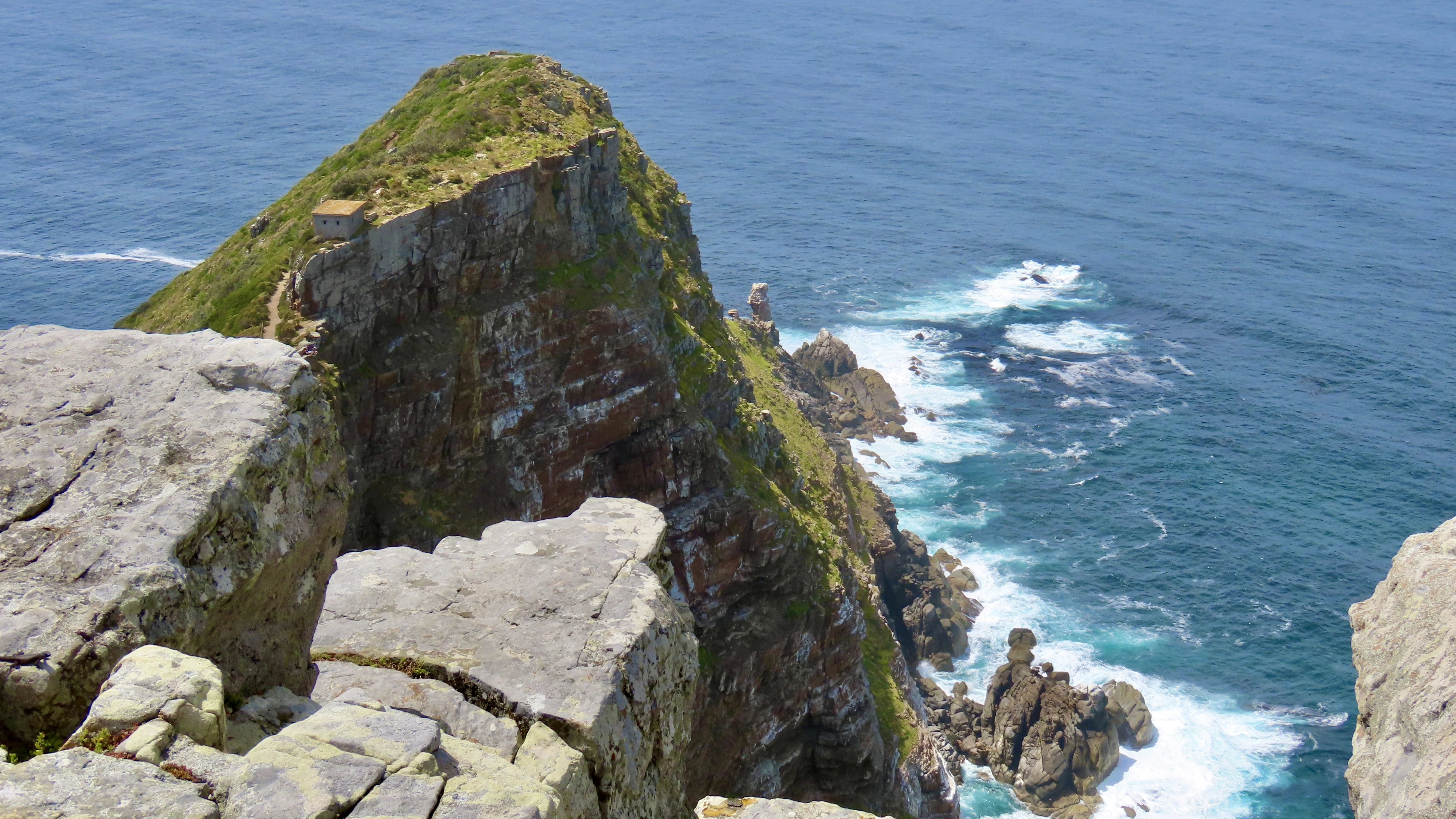
Today, over 250 shipwrecks lie beneath these waters, testament to the fierce currents where the cold Benguela and warm Agulhas meet. The old lighthouse, built in 1860 at 238 metres above sea level, was often shrouded in cloud and fog — leading to the construction of the new lighthouse at sea level in 1919.
What to See & Do at Cape Point
The Old Lighthouse & Flying Dutchman Funicular
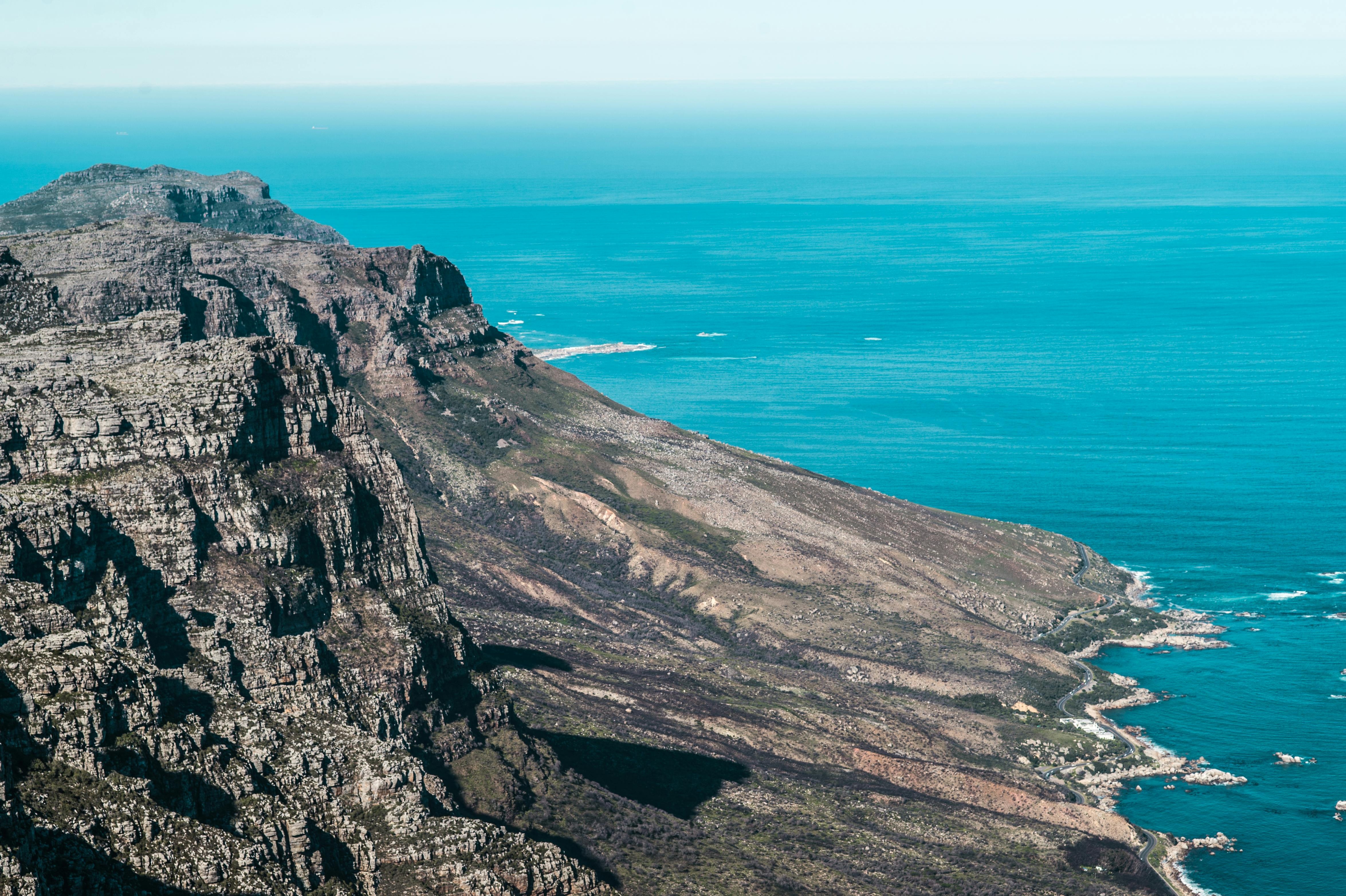
The Flying Dutchman Funicular whisks you up to the old lighthouse in 3 minutes. From the top, you get a 360-degree panorama — the two oceans stretching to infinity, with Dias Beach far below. On clear days, you can see False Bay curving all the way to Gordon's Bay.
Funicular price: R90 return, R60 one-way. Alternatively, hike up for free via the paved path (15 minutes, steep).
Cape of Good Hope Sign
The iconic signpost marking the most south-western point of the African continent is one of the most photographed spots in South Africa. Arrive early to avoid queues — by midday, the wait can be 20+ minutes.
Hiking Trails
- Lighthouse Keeper's Trail (1.5km, easy) — From the car park to the old lighthouse, with information boards about the area's history
- Cape of Good Hope Trail (3km, moderate) — Coastal walk from Cape Point to the Cape of Good Hope sign. Spectacular scenery, some scrambling over rocks
- Shipwreck Trail (optional detour) — Look for remnants of the Thomas T. Tucker, a WWII ship that ran aground in 1942
- Dias Beach Trail (steep descent) — A secluded beach at the base of the cliffs. Swimming not recommended due to currents
Wildlife
Cape Point Nature Reserve is part of the Cape Floral Kingdom, the smallest and richest of the world's six floral kingdoms. Look for:
- Chacma baboons — The peninsula's famous troops
- Bontebok and eland — Grazing on the fynbos-covered hillsides
- Cape mountain zebra — Recently reintroduced
- Whales and dolphins — Visible from the lighthouse (June–November)
- Over 250 bird species — Including the African black oystercatcher
Entrance Fees (2025–2026)
| Category | International | SA Residents |
|---|---|---|
| Adults | R376 | R76 |
| Children (2–11) | R188 | R38 |
| Funicular (Return) | R90 | R90 |
Opening hours: October–March: 6am–6pm | April–September: 7am–5pm
Our Top Cape Point Tours
🏔️ Cape Peninsula Full-Day Tour — From R1,299
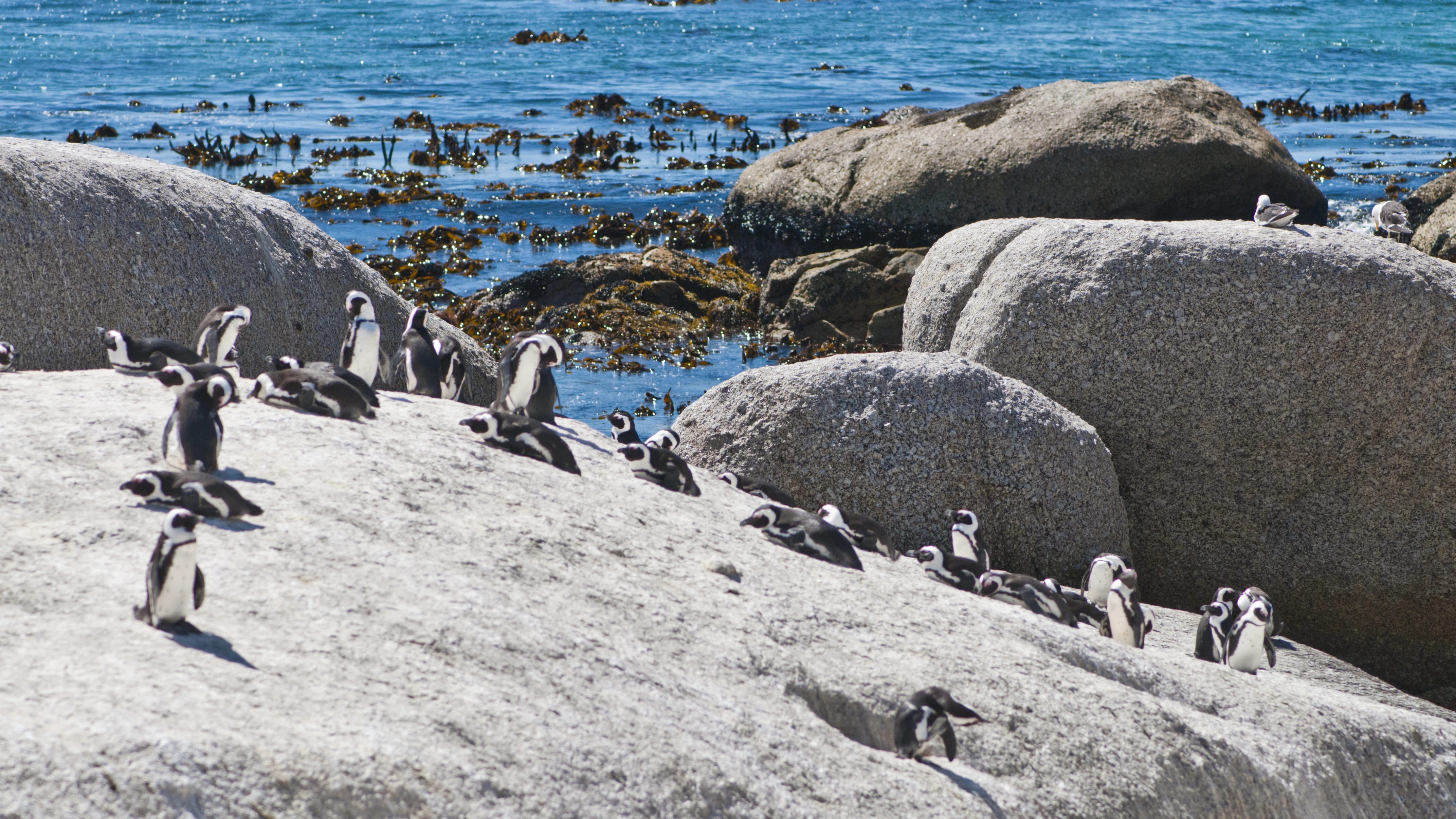
The complete Cape Peninsula circuit: Cape Point, Cape of Good Hope, Boulders Beach penguins, Chapman's Peak Drive, Hout Bay, and Kalk Bay. Includes all entrance fees, certified guide, and a seafood lunch.
🏔️ Private Cape Point Hiking Tour — From R2,799
For adventure seekers. Hike the full trail from Cape Point to Cape of Good Hope with a specialist nature guide. Includes fynbos identification, bird watching, and picnic lunch at Dias Beach.
🏔️ Helicopter + Cape Point Combo — From R5,499
Fly over the Twelve Apostles and land at Cape Point for a private ground tour. The ultimate luxury experience.
Where to Stay Near Cape Point
- The Last Word Long Beach — Boutique luxury in Kommetjie (from R5,500/night)
- Tintswalo Atlantic — Cliffside suites on Chapman's Peak (from R8,000/night)
- Simon's Town Quayside Hotel — Great base for peninsula exploration (from R1,800/night)
Practical Tips
- Wind: Cape Point is notoriously windy. Bring a windbreaker even in summer
- Baboons: Keep windows closed, don't feed them, hide all food and bags
- Time needed: Allow 2–3 hours minimum, 4+ hours with hiking
- Best light: Morning for Cape of Good Hope sign (east-facing), afternoon for the lighthouse
"Standing at the Cape of Good Hope with our Simba Beyond Africa guide, watching two oceans crash together — it was the most powerful moment of our entire South Africa trip." — Marcus & Elena, Munich