
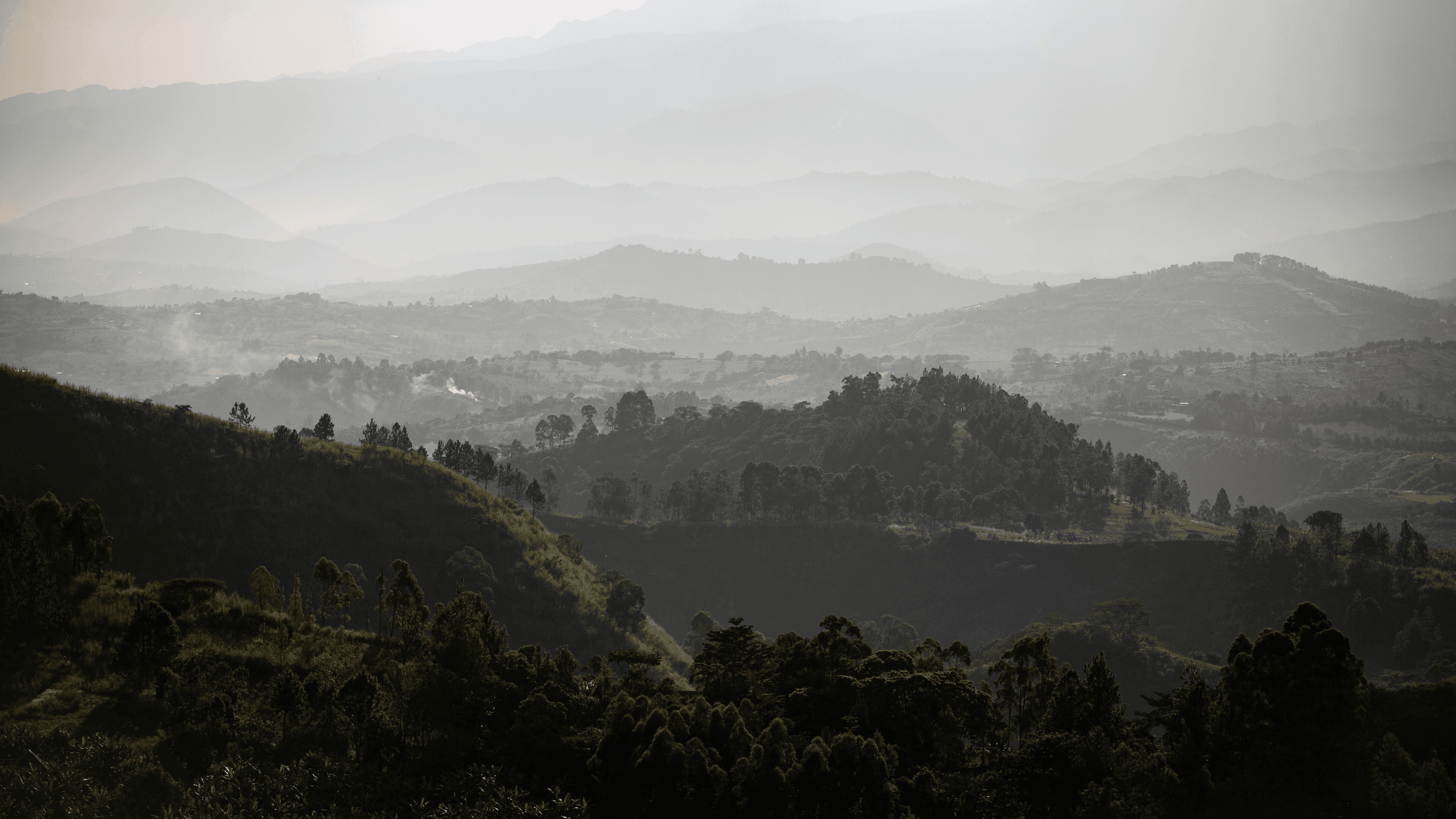
Rwanda gorilla trekking is a once-in-a-lifetime experience — coming face-to-face with mountain gorillas in the misty forests of Volcanoes National Park. This guide covers permits, costs, fitness requirements, and what to expect.
There are fewer than 1,063 mountain gorillas left on Earth, and every single one of them lives in the misty volcanic forests of the Virunga Mountains — straddling Rwanda, Uganda, and the DR Congo. Coming face-to-face with these gentle giants is, without exaggeration, one of the most profound wildlife encounters possible.
Why Rwanda for Gorilla Trekking?
Rwanda has positioned itself as the premier gorilla trekking destination, and for good reason:
- •Best infrastructure — smooth roads, luxury lodges, efficient organization
- •Shortest trek times — most families are within 1–3 hours' walk
- •Highest gorilla population — over 300 mountain gorillas in Volcanoes National Park
- •"Africa's Singapore" — clean, safe, and incredibly well-organized
- •Easy to combine — Kigali is a short flight from Nairobi, Entebbe, or Johannesburg
Understanding Gorilla Permits
The gorilla trekking permit is your ticket to one of Earth's most exclusive wildlife experiences. Here's what you need to know:
Permit costs (2025–2026):
- •Rwanda: $1,500 per person (foreign non-resident)
- •Uganda: $800 per person (foreign non-resident)
- •DR Congo: $450 per person (when available)
What the permit includes:
- •One hour with a habituated gorilla family
- •Armed ranger escort and experienced trackers
- •Pre-trek briefing at park headquarters
- •Maximum 8 visitors per gorilla family per day
- •Only 96 permits issued daily across 12 families
How to book: Permits should be booked 3–6 months in advance for peak season (June–September). We can secure permits as part of your safari package — contact us.
The Gorilla Trekking Experience
The Morning Briefing
Your day begins at Volcanoes National Park headquarters at 7:00 AM. Rangers assign you to a gorilla family based on your fitness level and preferences. You'll receive a briefing on gorilla etiquette and what to expect.
The Trek
Depending on your assigned gorilla family, the trek can take anywhere from 30 minutes to 6 hours. Trackers who set out at dawn radio back the gorillas' location to your guide.
What the trek involves:
- •Hiking through bamboo forest, nettles, and mud at 2,500–3,500m altitude
- •Crossing streams and navigating steep slopes
- •Porters carry your gear and offer assistance ($15–20 tip)
- •Armed rangers lead the way (for buffalo and elephant encounters)
The Encounter
Nothing prepares you for the moment you first lock eyes with a silverback gorilla. These 200 kg gentle giants share 98.2% of our DNA, and the intelligence in their eyes is unmistakable.
Your one hour with the gorillas:
- •Observe natural behaviors — feeding, grooming, playing
- •Silverbacks weighing up to 220 kg may walk within arm's reach
- •Baby gorillas tumble and play with infectious joy
- •Mothers nurse and cradle their infants
- •Juveniles show off with chest-beating displays
Gorilla Families of Volcanoes National Park
| Family | Size | Silverbacks | Trek Difficulty |
|---|---|---|---|
| Susa | 30+ | 2 | Challenging (4–6 hours) |
| Sabyinyo | 12 | 1 | Easy (30 min–1 hour) |
| Amahoro | 17 | 1 | Moderate (2–3 hours) |
| Kwitonda | 20 | 2 | Moderate–Hard (3–4 hours) |
| Hirwa | 16 | 1 | Moderate (2–3 hours) |
| Ugenda | 11 | 1 | Moderate (2–3 hours) |
What to Pack for Gorilla Trekking
- •Waterproof hiking boots with ankle support (essential)
- •Long-sleeved shirt and long trousers (protection from nettles)
- •Waterproof rain jacket (it rains frequently)
- •Gardening gloves (for grabbing vegetation on steep slopes)
- •Camera with no flash (ISO 1600+ capability for dark forest)
- •1–2 liters of water
- •Energy snacks
- •Insect repellent
- •Light daypack
Fitness Preparation
You don't need to be an athlete, but reasonable fitness makes the experience much more enjoyable:
- •Start walking/hiking regularly 6–8 weeks before your trip
- •Practice walking uphill for 1–2 hours at a time
- •If you have knee issues, bring a walking stick and consider the shorter treks
- •The altitude (2,500–3,500 m) can cause breathlessness — take it slowly
- •Porters are available and highly recommended ($15–20 tip)
Where to Stay
Luxury lodges near Volcanoes National Park:
- •Bisate Lodge (Wilderness Safaris) — stunning volcanic-inspired architecture, from $1,200/night
- •One&Only Gorilla's Nest — five-star luxury in the foothills, from $900/night
- •Singita Kwitonda Lodge — Singita's first Rwanda property, from $1,500/night
- •Sabyinyo Silverback Lodge — community-owned luxury, from $700/night
Beyond Gorillas: Rwanda Add-Ons
- •Golden monkey trekking — track the endangered golden monkey in bamboo forests ($100 permit)
- •Nyungwe Forest — chimpanzee trekking and canopy walk
- •Lake Kivu — Africa's most beautiful lake, kayaking and relaxation
- •Kigali city tour — Genocide Memorial, vibrant food scene, craft markets
- •Akagera National Park — Big Five savanna safari (lion, rhino, elephant)
Sample Rwanda Itinerary (5 Nights)
- •Day 1: Arrive Kigali, city tour, overnight Kigali
- •Day 2: Drive to Volcanoes NP (3 hours), afternoon golden monkey trek
- •Day 3: Gorilla trekking day (life-changing!)
- •Day 4: Optional second gorilla trek or Dian Fossey tomb hike
- •Day 5: Drive to Lake Kivu or fly to Nyungwe Forest
- •Day 6: Depart via Kigali
From $4,500 per person including 1 gorilla permit, luxury lodges, and all transfers.
Ready for the encounter of a lifetime? Let us plan your gorilla trekking experience — we secure permits, book the finest lodges, and handle every detail.