

Complete guide to self-drive safaris in Africa. From Kruger to Etosha, learn which parks are best for self-drive, what vehicle you need, and how to plan a safe, exciting road trip.
The Freedom of a Self-Drive Safari
A self-drive safari puts you in the driver's seat—literally and figuratively. Instead of being on someone else's schedule, you choose where to go, how long to stay, and when to move on. It's the most flexible and often the most affordable way to experience African wildlife, and the sense of discovery when you spot a leopard in a tree or round a corner to find a herd of elephants is unmatched.
Self-drive safaris are ideal for travellers who value independence, want to control their budget, or are experienced Africa visitors who don't need a guide to identify wildlife. They're also perfect for families—you can stop when kids need a break and maintain your own pace throughout the day.
Best Parks for Self-Drive Safari
Kruger National Park, South Africa: Kruger is the gold standard for self-drive safaris. With 2,500km of well-maintained roads, excellent signage, rest camps with fuel stations and shops, and incredibly diverse wildlife, it's perfect for first-timers and veterans alike. You can self-drive in a regular car on tar roads, though a 4x4 opens up the quieter gravel routes where you'll have sightings to yourself.
Etosha National Park, Namibia: Etosha's vast salt pan is surrounded by waterholes that make game-viewing straightforward—park at a waterhole and wait for animals to come to you. The road network is excellent, camps are well-equipped, and the landscape is unlike anywhere else in Africa. Self-drive is by far the most popular way to visit Etosha.
Pilanesberg National Park, South Africa: Just 2 hours from Johannesburg, Pilanesberg offers Big Five viewing in a malaria-free zone. The park is compact enough to explore thoroughly in a day or two, with good roads and clear maps. It's an excellent introduction to self-drive safari for nervous first-timers.
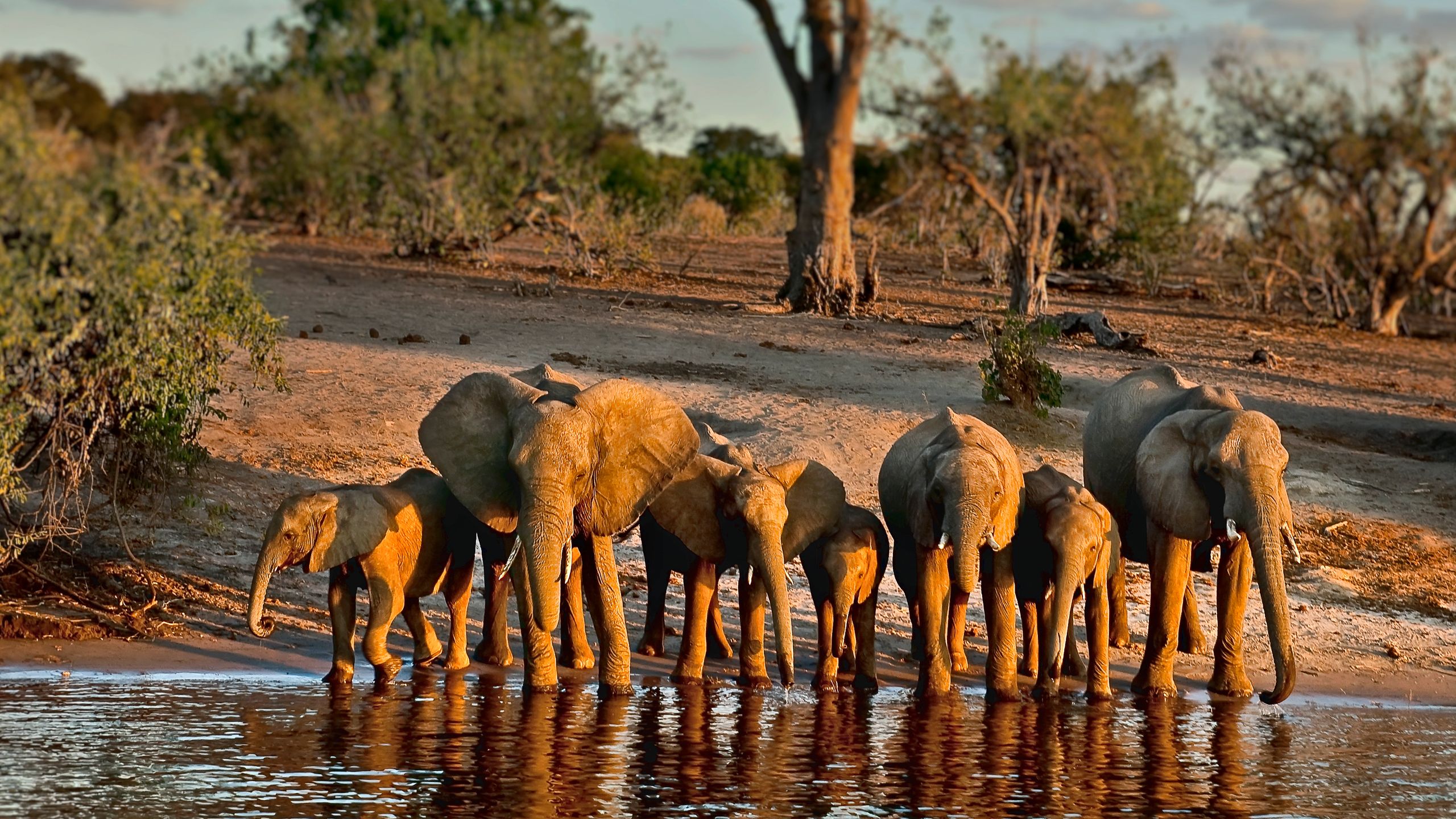
Chobe Riverfront, Botswana: The Chobe riverfront road between Kasane and Serondela is accessible by 2WD and offers spectacular elephant, hippo, and buffalo sightings. For deeper exploration of Chobe, a 4x4 is essential, but the riverfront section is a great self-drive option.
Planning Your Self-Drive Safari
Vehicle Choice: For Kruger and Etosha, a regular sedan works for tar roads. A small SUV (like a Toyota RAV4) is more comfortable and gives slightly better elevation. For Namibia beyond Etosha, Botswana, or any park with sand/gravel roads, hire a 4x4 with high clearance. Popular rental vehicles include the Toyota Hilux, Toyota Fortuner, and Land Rover Defender.
Booking Accommodation: National park rest camps fill up quickly during peak season (June-October). Book 6-12 months ahead for popular camps in Kruger and Etosha. SANParks manages Kruger bookings, and NWR handles Etosha. Budget for $50-200/night for self-catering units or $30-80/night for camping.
Essential Equipment: Bring binoculars (essential), a bird/mammal field guide, a paper map (don't rely solely on GPS), a cooler box with water and snacks, sunscreen, a hat, and a camera with a zoom lens. A phone mount is helpful for using park apps that show recent sightings.
Self-Drive Safari Tips for Success
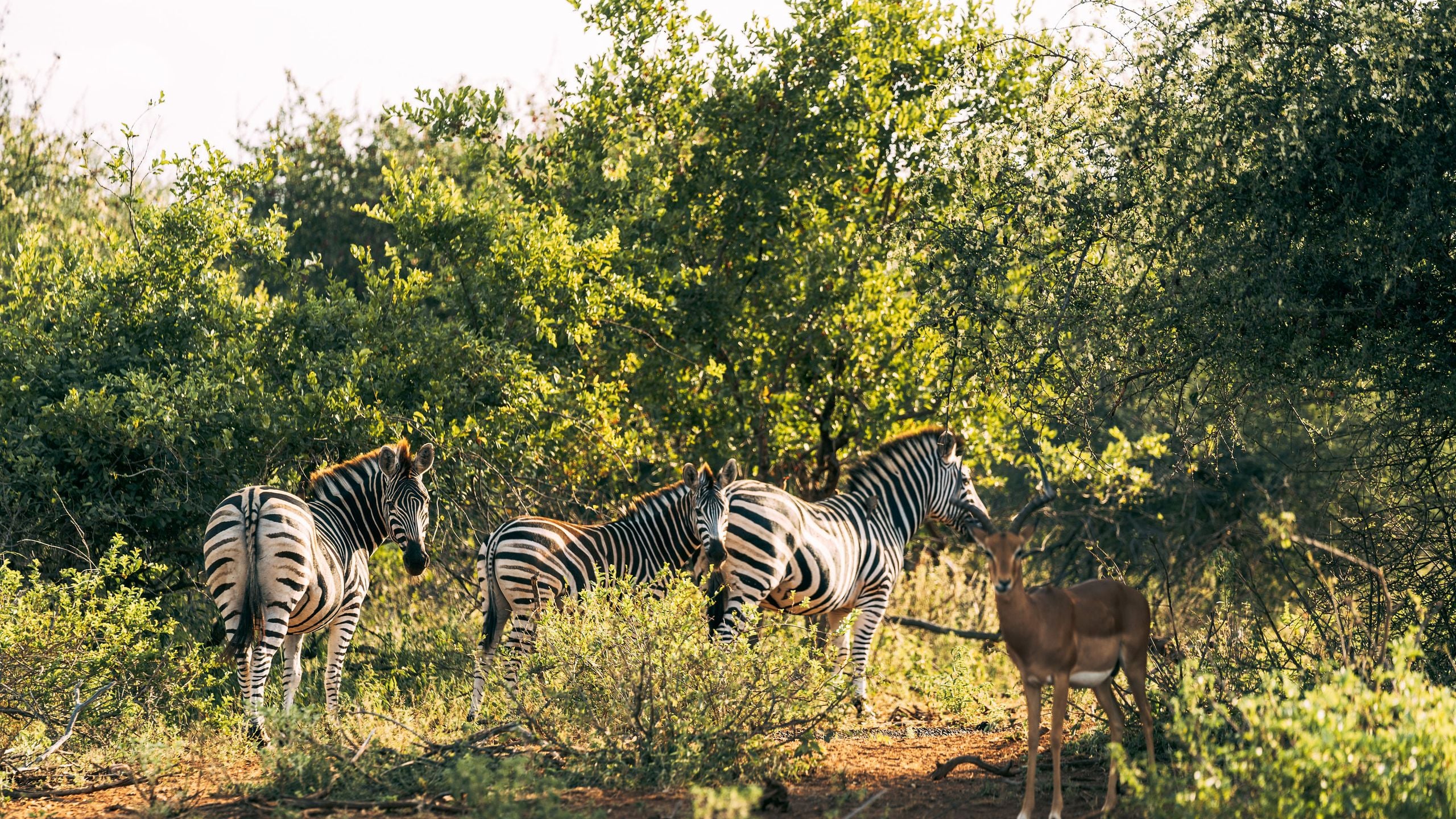
Start early—gates typically open at sunrise, and the first two hours are the best for wildlife activity. Drive slowly (30-40 km/h on gravel, 50 km/h on tar) and scan the trees, bushes, and roadsides constantly. Many of the best sightings are of animals partially hidden in vegetation.
When you find a sighting, switch off your engine and wait. Animals often become more relaxed and move closer when vehicles are quiet. At waterholes, patience is everything—sit for 30-60 minutes and you'll often see a parade of different species come to drink.
Follow park rules strictly: stay on designated roads, don't get out of your vehicle except at designated areas, keep below speed limits, and ensure you're at your camp before gate closing time (usually 30 minutes after sunset). Penalties for breaking rules are severe.
Self-drive safaris can also be combined with guided experiences. Many travellers do a guided morning drive from their camp (to benefit from expert eyes and tracking skills) and then self-drive in the afternoon. Let us help plan your perfect self-drive safari itinerary.