
Discover Tarangire — Tanzania's underrated gem with giant baobab trees, massive elephant herds, and incredible dry-season game concentrations. Complete guide with best lodges and timing.
Tarangire: Tanzania's Best-Kept Safari Secret
While the Serengeti and Ngorongoro Crater grab the headlines, Tarangire National Park quietly delivers some of Tanzania's most extraordinary safari experiences. During the dry season, the Tarangire River becomes one of the last remaining water sources in the region, drawing in wildlife concentrations that rival anything in East Africa. The landscape — dominated by ancient, gnarled baobab trees that look like they've been planted upside down — is unlike anything else on the safari circuit.
At 2,850 square kilometres, Tarangire is the sixth-largest national park in Tanzania. It lies just 120 kilometres from Arusha, making it the first park most visitors reach on the northern circuit. This proximity means it's often treated as a quick day trip or overnight stop — a mistake that experienced safari-goers avoid. Tarangire deserves 2-3 nights to fully appreciate its treasures.
The Dry Season Spectacle
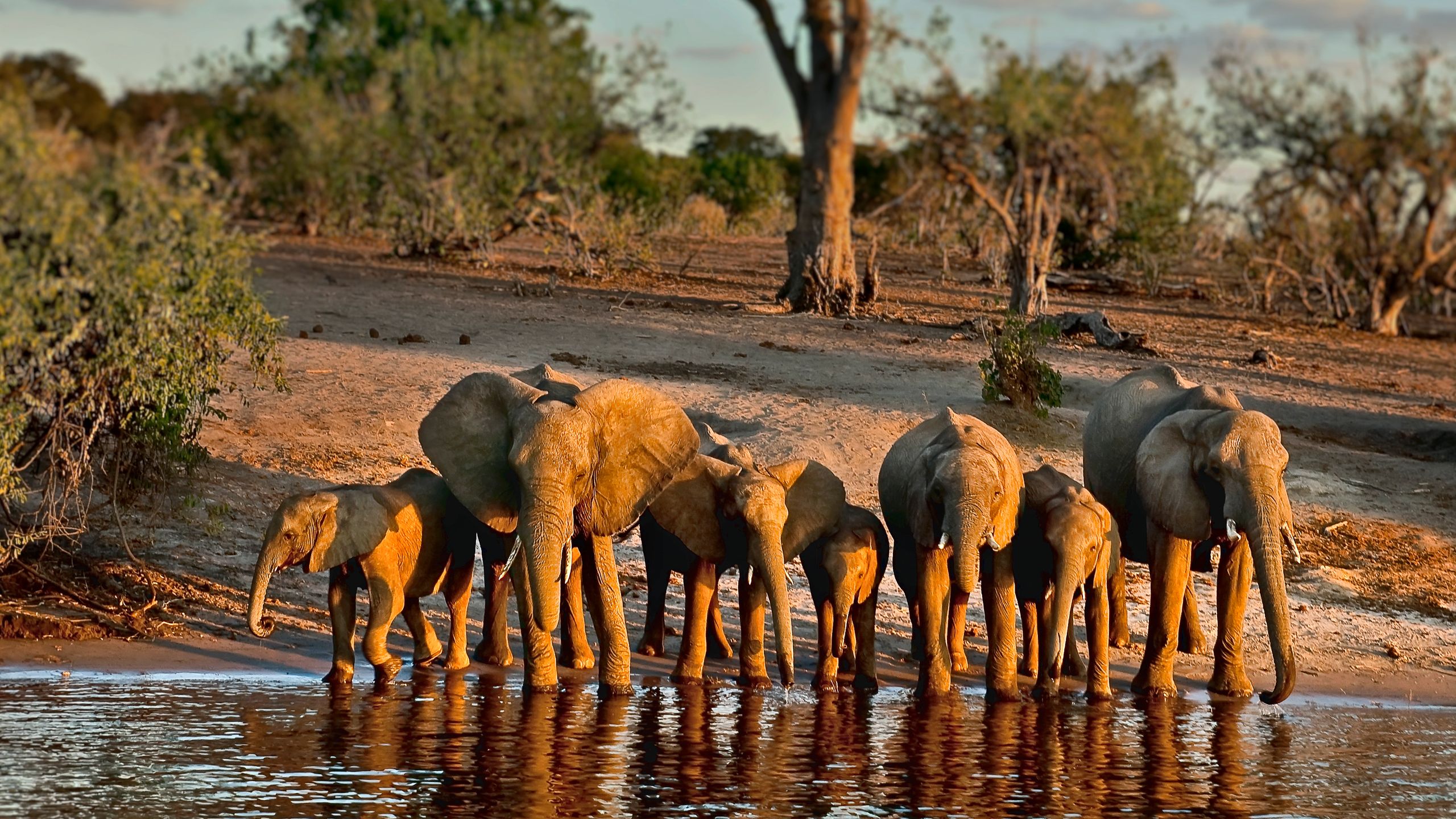
From June to October, the Tarangire River is a lifeline. As surrounding areas dry out, hundreds of thousands of animals migrate into the park to access the river and its associated swamps. Elephant herds number in the hundreds — Tarangire has one of the largest elephant populations in East Africa, and dry-season concentrations of 300+ elephants at a single point along the river are not uncommon.
The diversity is impressive: wildebeest, zebra, buffalo, hartebeest, eland, impala, Grant's and Thomson's gazelles, waterbuck, and lesser kudu all share the riverine habitat. Tarangire is one of the best places in Tanzania to see fringe-eared oryx and gerenuk — long-necked antelopes that stand on their hind legs to browse acacia trees.
Predators follow the prey. Lions are common, and Tarangire's tree-climbing lions (while less famous than Ishasha's in Uganda or Lake Manyara's) are occasionally spotted draped over sausage tree branches. Leopard, cheetah, and African wild dog are all present, with wild dogs being an exciting possibility particularly in the south of the park.
The Baobab Landscape
Tarangire's landscape is defined by its ancient baobab trees — some estimated to be over 1,000 years old. These massive, bulbous trees create an otherworldly atmosphere that photographs beautifully. During the dry season, their bare branches reach skyward like root systems thrust into the air, earning them the nickname "upside-down trees."
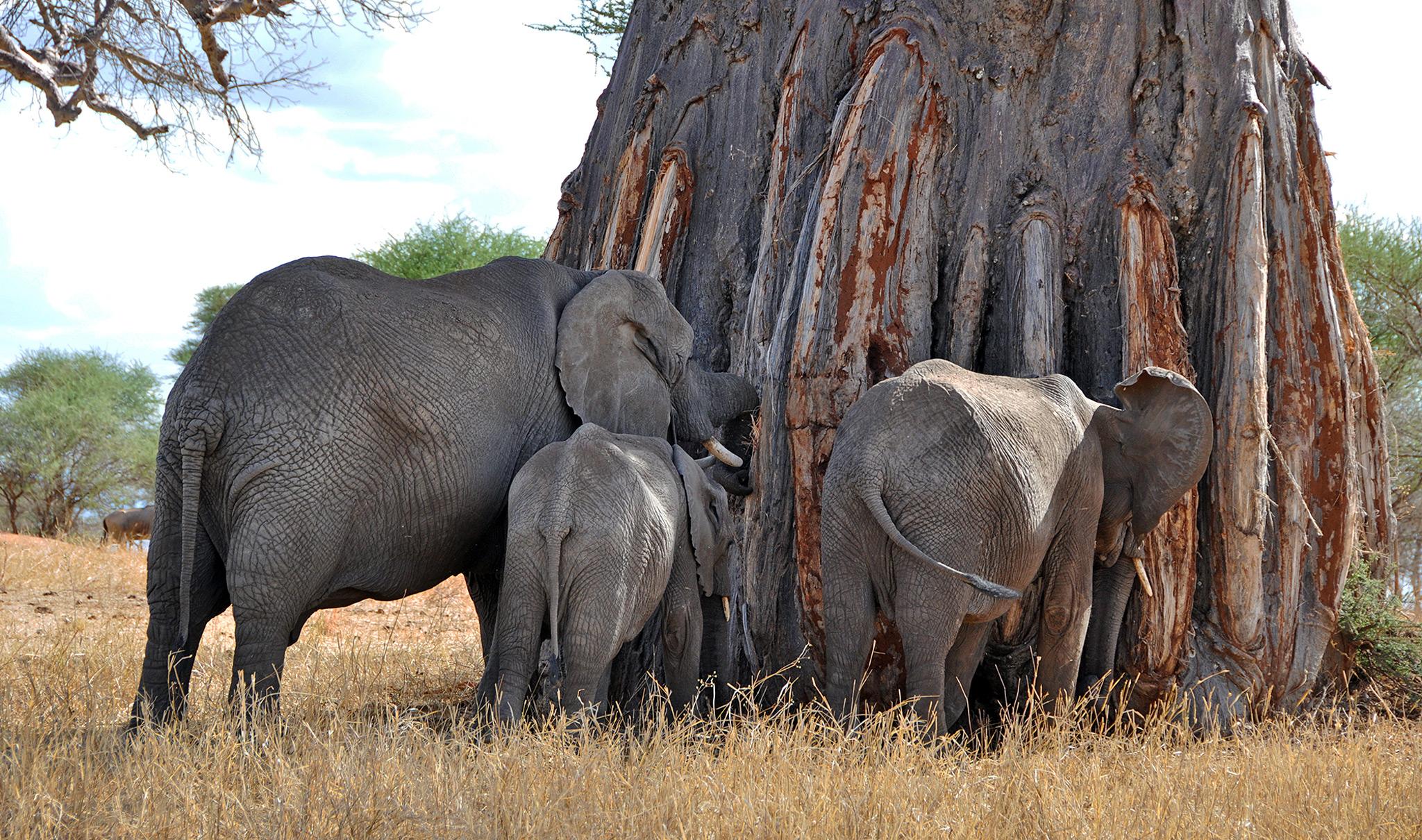
The baobabs aren't just decorative — they're ecologically important. Elephants strip their bark for moisture and nutrients, birds nest in their cavities, and the fruit provides food for baboons and other animals. Photographing elephants among ancient baobabs is one of Africa's most iconic safari images.
Best Lodges and Camps
Tarangire Treetops: Unique treehouse-style lodges built around and among baobab trees, offering an unforgettable elevated bush experience.
Oliver's Camp: A classic tented camp in the park's remote southeast, offering walking safaris and some of the most exclusive game viewing in Tarangire.
Swala Camp: Sanctuary Retreats' intimate camp in a private concession, combining luxury with excellent wildlife viewing in a quieter section of the park.
Tarangire is typically included in a northern Tanzania circuit: 1-2 nights Tarangire, 1 night Ngorongoro Crater, 3-4 nights Serengeti. This combination captures the best of northern Tanzania. Contact us to include Tarangire in your Tanzania safari.