
The complete guide to gorilla trekking in Bwindi Impenetrable Forest — permits, fitness requirements, what to expect, best sectors, and how to prepare for this life-changing encounter.
The Most Profound Wildlife Encounter on Earth
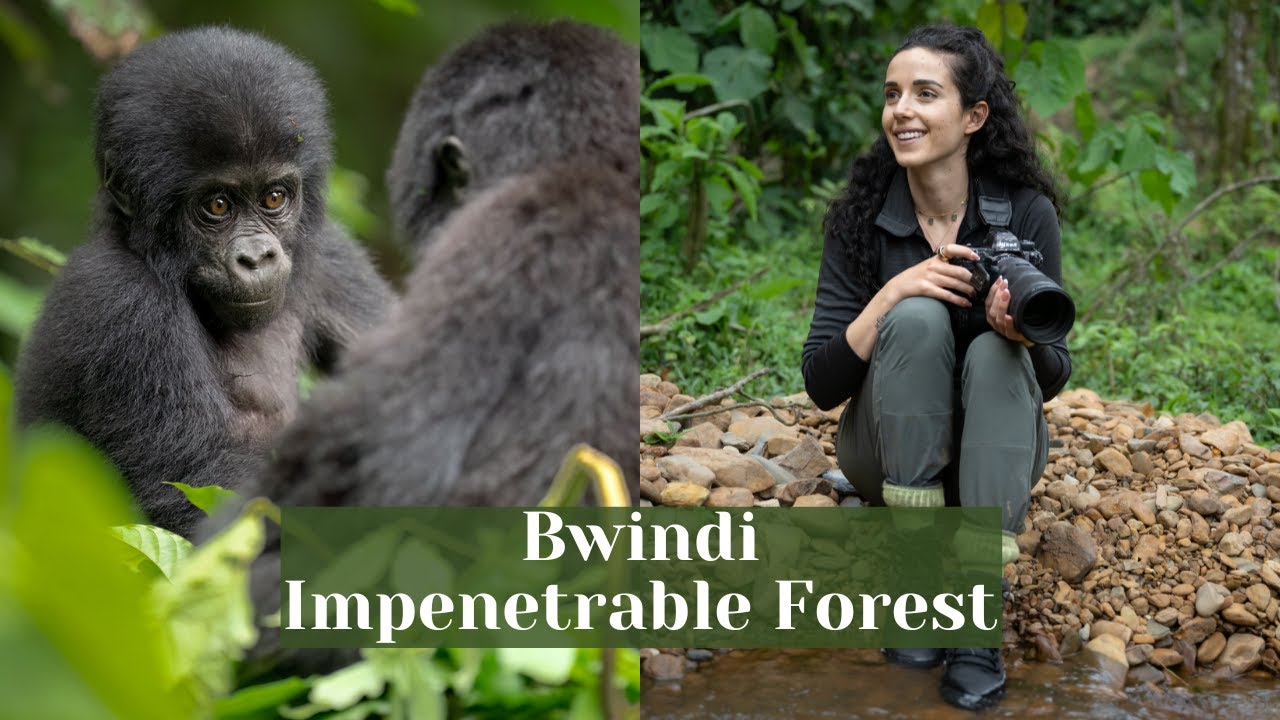
Gorilla trekking in Bwindi Impenetrable Forest is routinely described as the most moving wildlife experience available to humans. Nothing can truly prepare you for the moment when you push through dense vegetation and find yourself face to face with a 200kg silverback mountain gorilla — intelligent, gentle, and so eerily human that the encounter transcends wildlife viewing and becomes something deeply emotional.
Bwindi Impenetrable Forest National Park in southwestern Uganda is home to approximately 459 mountain gorillas — roughly half the world's population. Over 20 gorilla groups have been habituated for tourism, and each receives a maximum of 8 visitors per day. This strict limitation means every trek is intimate and exclusive.
The Trekking Experience
Your day begins with a morning briefing at the park headquarters (6:30-8:00am depending on sector), where you're assigned a gorilla group and receive safety instructions. Groups are assigned based on fitness level — fitter visitors may be given groups that require longer, steeper treks.
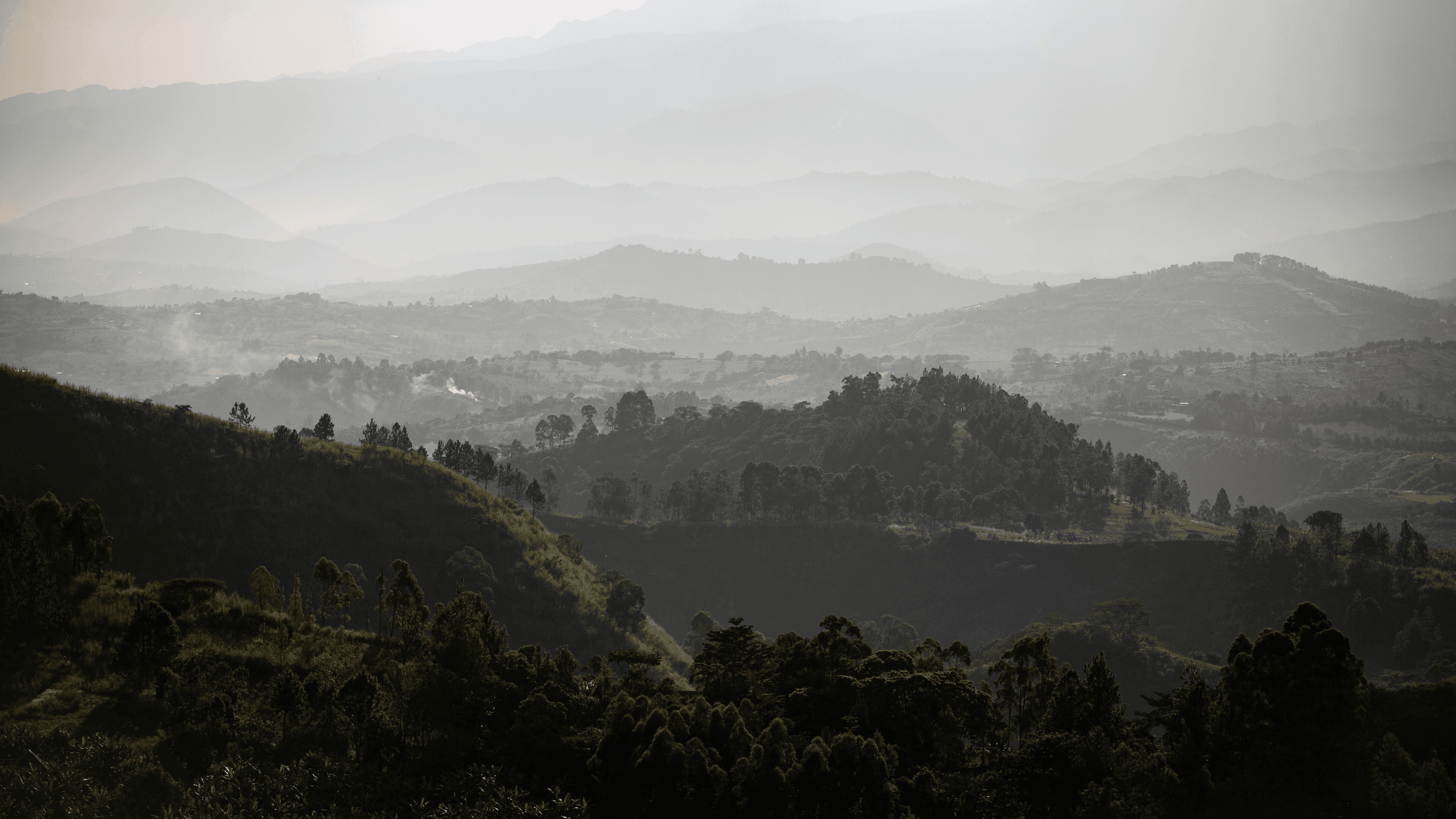
The trek itself takes you into one of Africa's most ancient and biodiverse forests. Bwindi is genuinely impenetrable — dense undergrowth, tangled vines, steep muddy slopes, and an altitude of 1,200-2,600m that can leave you breathless. Trackers who've been with the gorillas since dawn guide you to their current location via radio. The trek to reach the gorillas can take 30 minutes to 8 hours — it's completely unpredictable.
When you find the gorillas, you have exactly one hour. These 60 minutes will feel like both an eternity and an instant. The silverback may feed nonchalantly while you watch, or he may charge to test your guide's authority (they always bluff — stand your ground). Mothers nurse babies. Juveniles play, wrestle, and tumble through the undergrowth. Young blackbacks practice chest-beating. And throughout, the intelligence and emotion in their eyes is unmistakable.
The Four Sectors of Bwindi
Buhoma: The original and most popular sector with the widest range of accommodation. Several well-habituated groups including Mubare, the first group habituated for tourism in 1993. Treks are moderate to challenging.
Ruhija: Higher altitude with potentially tougher trekking. Hosts several groups including the famous Bitukura group known for being playful. Less accommodation than Buhoma but quieter.
Rushaga: Southern sector with the most gorilla groups. Generally the easiest trekking. Good accommodation options and a more relaxed atmosphere than Buhoma.
Nkuringo: The most challenging sector with steep terrain. Rewards with dramatic scenery and sometimes very close gorilla encounters in dense forest. Fewer visitors mean a more exclusive feel.
Preparation Tips
Physical preparation helps enormously. Walk hills regularly for 4-6 weeks before the trip. Acclimatise if possible (Bwindi is at altitude). Hire a porter ($15-20) — they're invaluable, carrying your bag and helping on steep sections. Bring waterproof everything — it rains frequently in the forest. Garden gloves protect your hands when grabbing branches for support.
The gorilla trekking permit ($800) is the single best $800 you'll ever spend in travel. It directly funds gorilla conservation, community development, and park protection. Without tourism revenue, the mountain gorilla's future would be far less secure.
At Simba Beyond Africa Safaris, gorilla trekking is one of our most requested experiences. We handle permits, logistics, and lodge bookings to ensure your trek is seamlessly organised. Book your gorilla trekking adventure with us.