
The African bush comes alive at night — nocturnal predators hunt, eyes glow in spotlight beams, and the Milky Way blazes overhead. This guide covers what to expect on a night drive, the best nocturnal wildlife, and where to find the best night safari experiences.
When the sun sets on the African bush, a completely different world awakens. The animals that have been sleeping through the heat emerge to hunt, forage, and mate. The sounds change — cicadas fall silent, hyenas begin their eerie whooping calls, and the occasional bone-chilling roar of a lion splits the darkness.
What Happens After Dark
The transition from day to night in the bush is one of nature's most dramatic shifts:
Dusk (6:00–7:00 PM):
- •Leopards begin to stir and move
- •Hyenas leave their dens and gather at rally points
- •Nightjars begin their haunting calls
- •Thick-tailed bushbabies emerge from tree hollows
- •The last light paints the sky in impossible colors
Early Night (7:00–10:00 PM):
- •Predators become fully active
- •Aardvarks emerge to feed on termites
- •Porcupines rattle their quills through the undergrowth
- •Owls begin hunting (Verreaux's eagle-owl, pearl-spotted owlet)
- •African wild cats patrol for rodents
- •The Milky Way blazes overhead in full glory
Deep Night (10:00 PM–4:00 AM):
- •Honey badgers forage fearlessly
- •Lions hunt (over 80% of lion kills happen at night)
- •Bat-eared foxes listen for insects underground
- •Spring hares bounce through the grass
- •Genets and civets patrol their territories
What to Expect on a Night Drive
The Setup
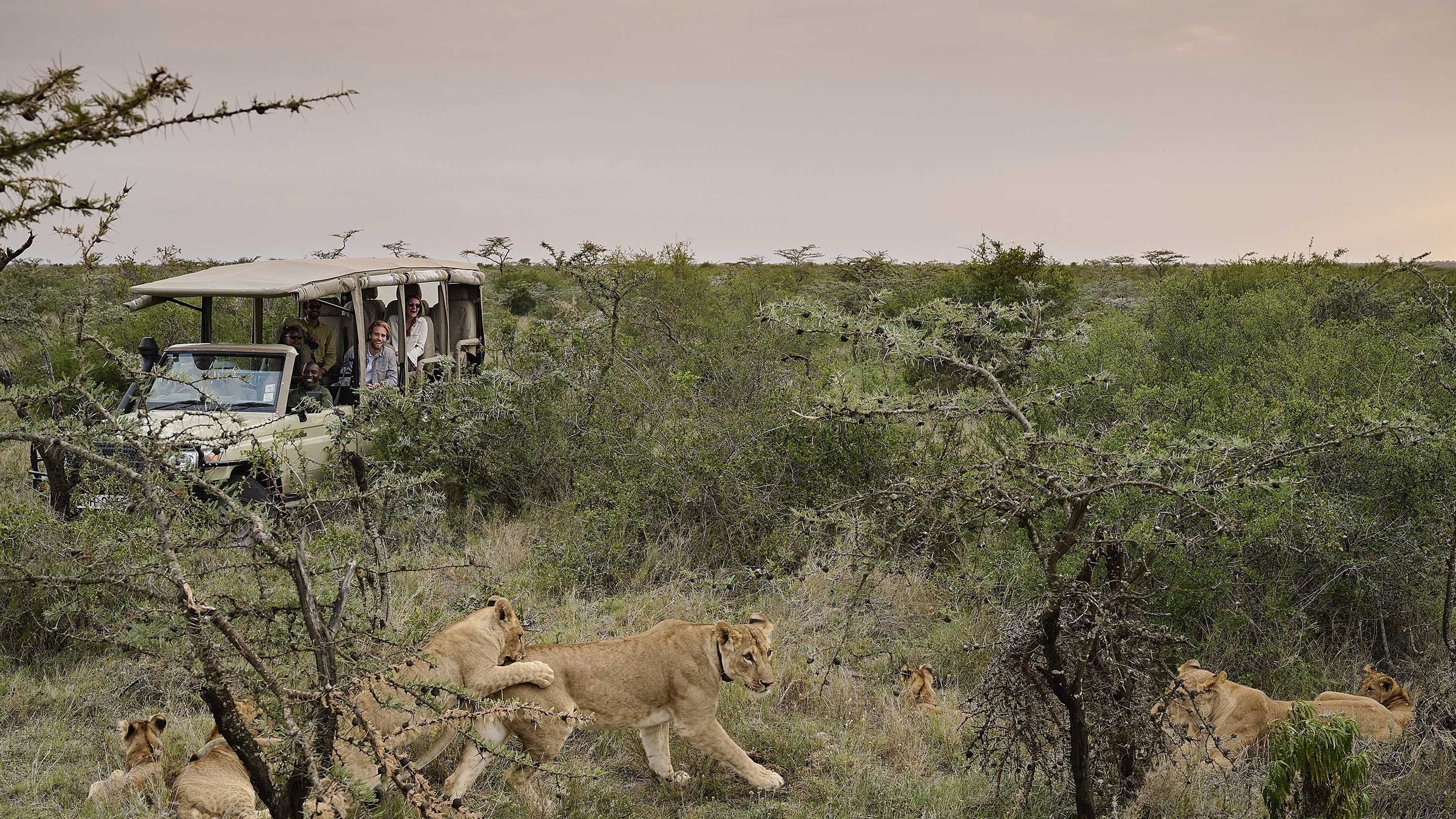
- •Night drives typically depart at 5:30–6:00 PM (continuing from the afternoon drive)
- •Your guide has a powerful handheld spotlight (often 1 million candlepower)
- •A tracker sits on the front of the vehicle, sweeping the spotlight
- •Game drive blankets and hot drinks are provided (it gets cold!)
How Spotlighting Works
- •The tracker sweeps the spotlight across the bush
- •Animal eyes reflect light back (called "eyeshine") — each species has a distinct color:
- •Orange glow: Lion, leopard
- •Green glow: Hyena, wild cat
- •Bright white: Spider eyes (thousands of tiny sparkles in the grass!)
- •Red glow: Nightjar, spring hare
- •A red filter is used first to avoid disturbing animals
- •White light is switched on once animals are located
The Sounds of the Night
- •Lion roar — Audible from 8 km away, vibrates your chest
- •Hyena whoop — Haunting, rising call that carries across the bush
- •Leopard sawing — Like a saw cutting wood, territorial call
- •Fiery-necked nightjar — "Good lord, deliver us" call
- •Pearl-spotted owlet — Ascending whistle
- •Scops owl — Soft, repetitive "prrup"
- •Tree frogs — Chorus after rain
Best Nocturnal Animals to See
The Holy Grail: Aardvark
The aardvark is one of Africa's most elusive animals — a bizarre, pig-snouted, rabbit-eared creature that digs burrows and eats termites. Seeing one is a genuine safari highlight.
Leopard on the Hunt
Leopards are primarily nocturnal, and night drives offer the best chance of watching them hunt. Seeing a leopard stalk, pounce, and carry its kill into a tree is unforgettable.
Honey Badger
The honey badger is Africa's most fearless animal — it fights lions, eats venomous snakes, and raids beehives. Night drives are the best way to see these incredible animals.
Pangolin
The world's most trafficked mammal is also one of the hardest to find. Nocturnal and solitary, a pangolin sighting on a night drive is a once-in-a-lifetime event.
African Wild Cat
The ancestor of all domestic cats, the African wild cat looks like a tabby but is a true wild predator. They're commonly seen on night drives, hunting rodents and birds.
Star Gazing on Safari
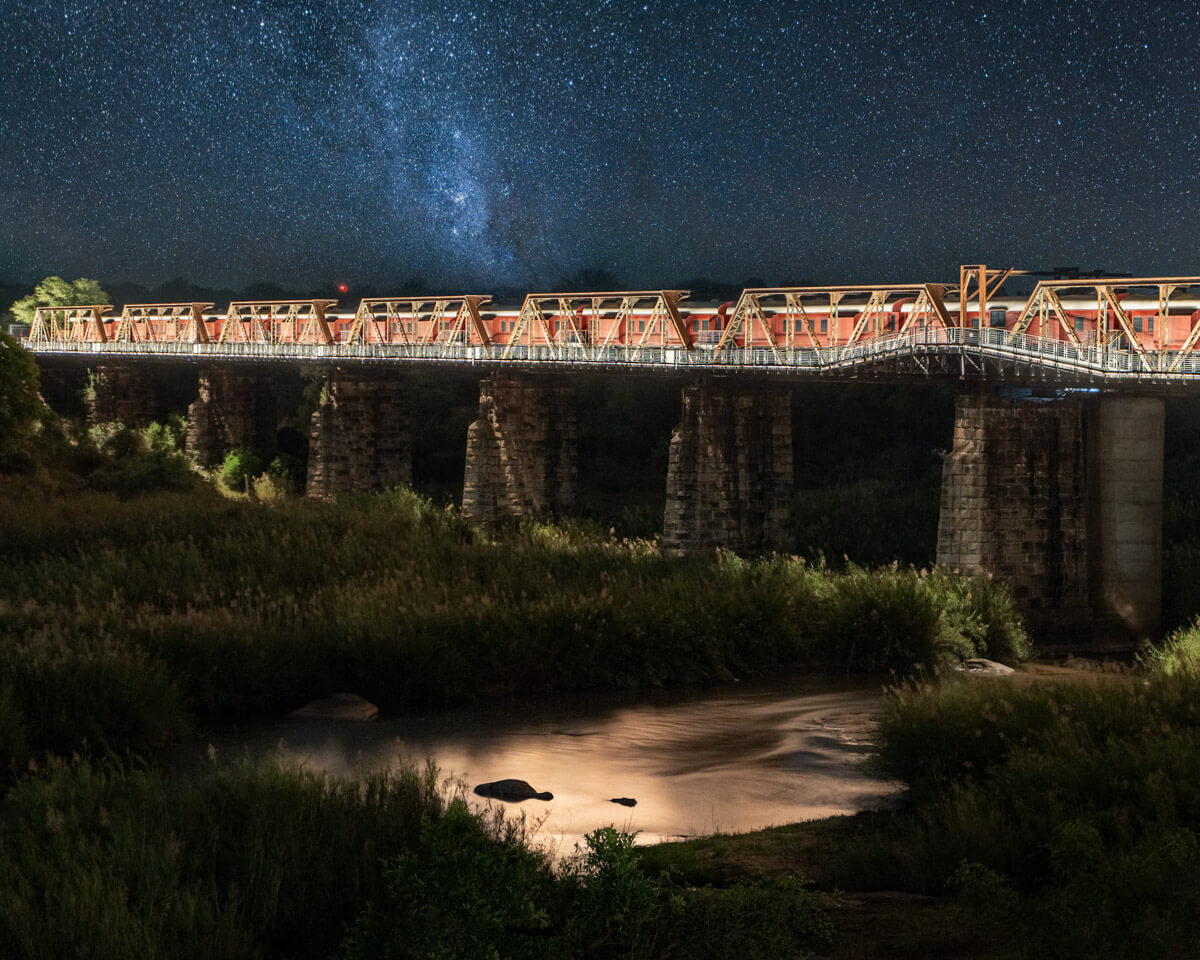
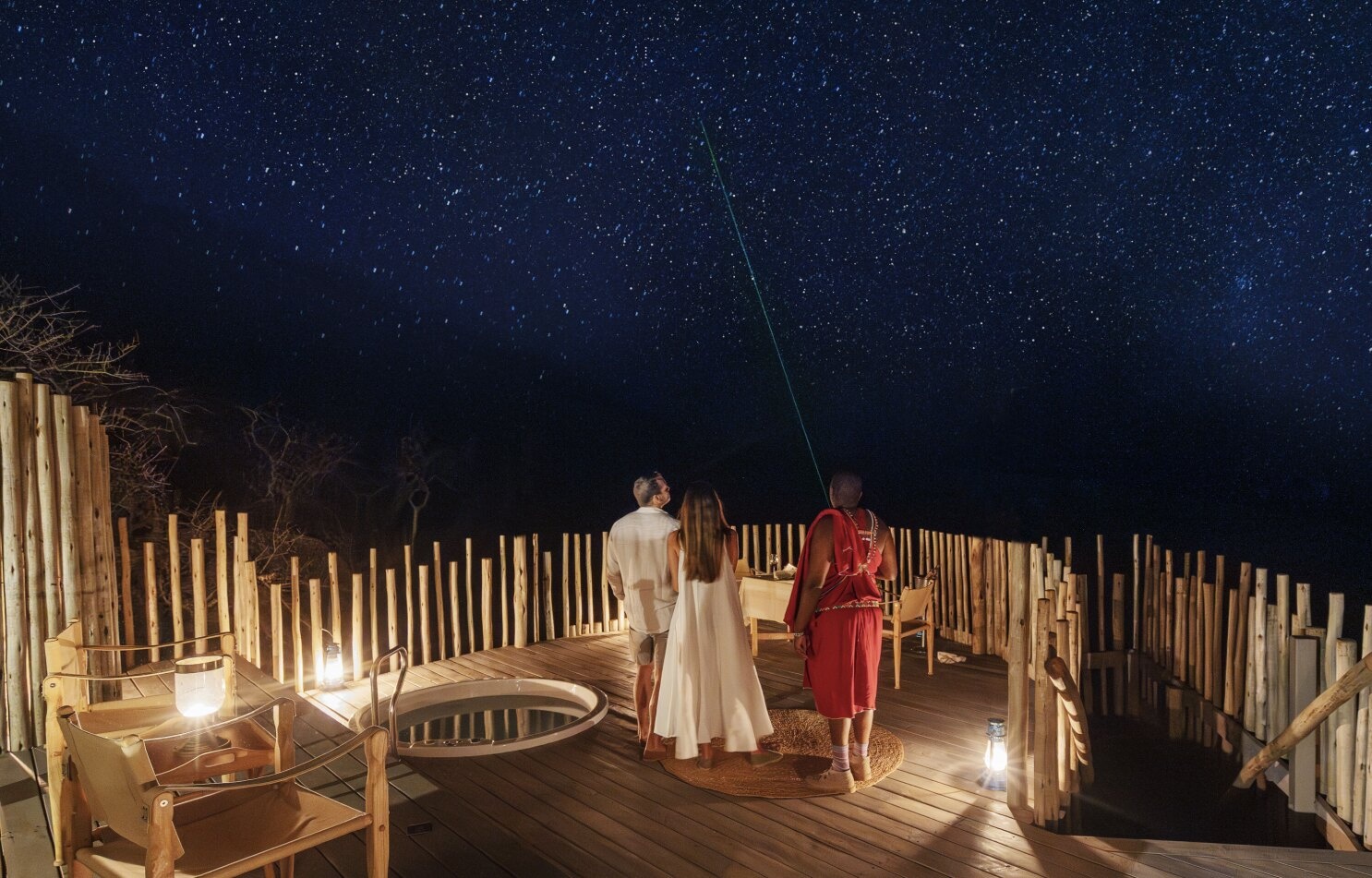
The African bush offers some of the darkest skies on Earth — particularly in Namibia, Botswana, and rural South Africa. Without light pollution, the Milky Way is a river of light spanning horizon to horizon.
What you'll see:
- •The Milky Way in extraordinary detail
- •Southern Cross (Crux) — visible only from the southern hemisphere
- •Jupiter, Saturn, and Mars with the naked eye
- •Shooting stars (frequent without light pollution)
- •The Magellanic Clouds — satellite galaxies visible to the naked eye
Best stargazing locations:
- •NamibRand Nature Reserve (Namibia) — Africa's first Dark Sky Reserve
- •Makgadikgadi Pans (Botswana) — Flat salt pans, zero light pollution
- •Tswalu Kalahari (South Africa) — Remote desert location
- •Central Serengeti (Tanzania) — Far from any town
Where to Do Night Safaris
| Destination | Night Drive | Quality | Notes |
|---|---|---|---|
| Sabi Sand (SA) | ★★★★★ | Best leopard viewing at night | |
| Timbavati (SA) | ★★★★★ | White lions at night | |
| South Luangwa (Zambia) | ★★★★★ | Birthplace of night driving | |
| Masai Mara Conservancies | ★★★★☆ | Not in main reserve | |
| Okavango Delta | ★★★★☆ | Camp-dependent | |
| Hwange (Zimbabwe) | ★★★★☆ | Excellent elephant and predator |
Note: Night drives are NOT available in most national parks (Kruger, Serengeti, Masai Mara main reserve). They are available only in private reserves and conservancies.
Ready to experience the African bush after dark? Plan your night safari experience with our expert team.