

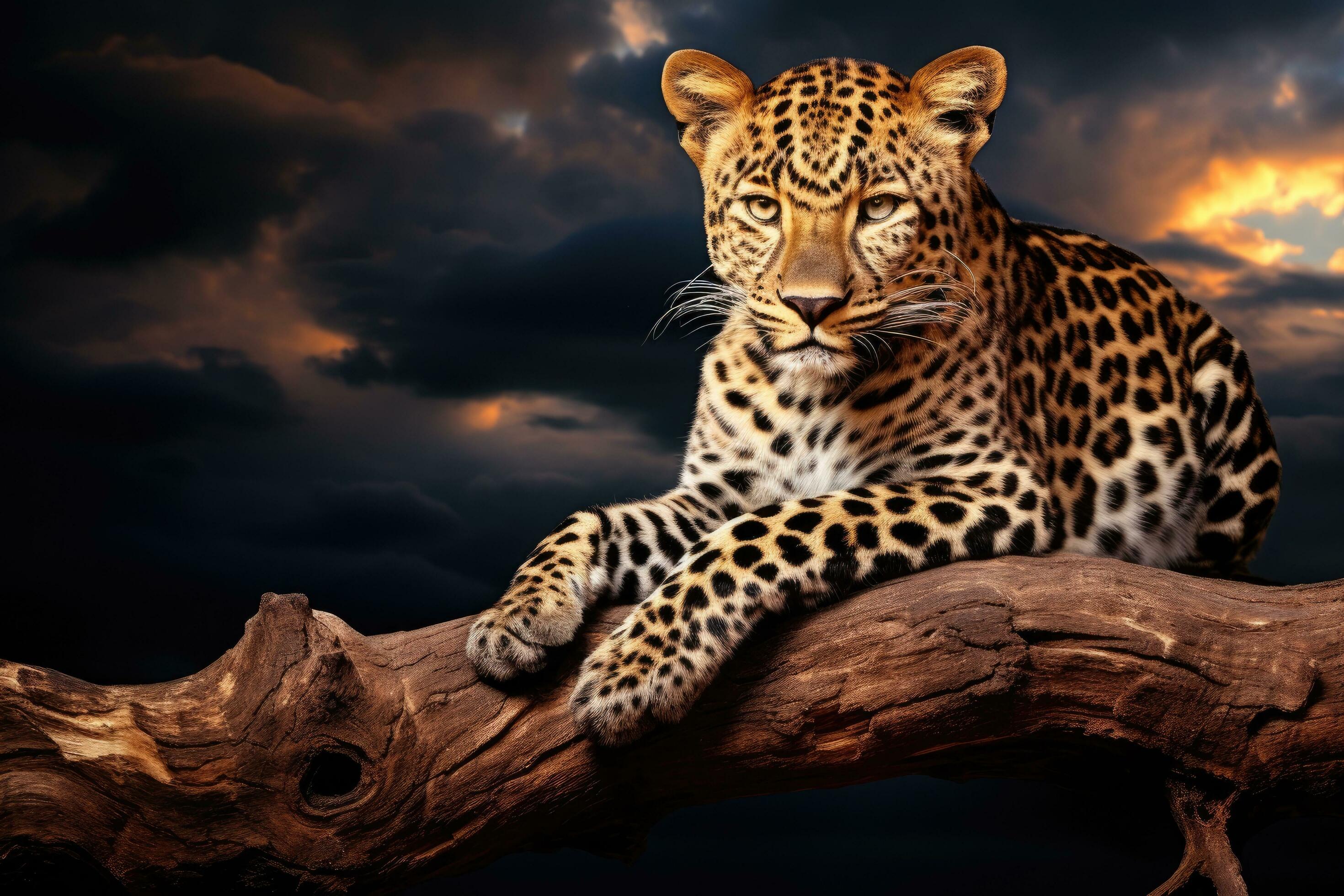
About the African Leopard
The African leopard is the most adaptable and widespread of all big cats. Masters of stealth, leopards are renowned for their ability to haul prey twice their body weight into trees. Their stunning rosette-patterned coat provides perfect camouflage, earning them the nickname "Ghost of the Bush."
African leopards are the ultimate survivors of the cat world. While lions and cheetahs grab headlines, leopards have quietly persisted across more diverse habitats than any other big cat — from the Sahara's edge to Cape Town's suburbs. They are solitary, nocturnal, and incredibly strong, capable of hauling a carcass heavier than themselves vertically up a tree to protect it from lions and hyenas. This incredible feat of strength is made possible by their powerful jaw muscles and muscular build. Leopards are the most difficult of the Big 5 to spot, making a leopard sighting one of the most prized moments on any African safari. South Africa's Sabi Sand Game Reserve is widely considered the best place on Earth to see leopards, with some lodges reporting daily sightings. The Londolozi leopard dynasty, tracked for over 40 years, is the longest-running leopard study in history.
Height
0.6–0.8 m (2–2.6 ft) at the shoulder
Weight
Males: 60–90 kg (132–198 lbs) | Females: 30–60 kg (66–132 lbs)
Top Speed
Up to 58 km/h (36 mph)
Diet
Impala, bushbuck, duiker, baboons, warthog, birds, fish, and reptiles
Habitat
Extremely adaptable — forests, mountains, savannas, deserts, and even urban fringes
Social
Solitary and territorial; males and females only meet for mating
Gestation
90–105 days (approximately 3 months)
Offspring
1–3 cubs per litter, typically 2
Predators
Lions, hyenas (steal kills), wild dogs; cubs at risk from eagles and pythons
Did You Know?
Mind-blowing facts about african leopards that will make you an instant expert.
Leopards can carry prey up to 3 times their own body weight up a tree
Each leopard's rosette pattern is unique — like a human fingerprint
Black panthers are actually melanistic leopards — their spots are visible in certain light
Leopards are the most adaptable big cat, thriving from sea level to 5,600m elevation
A leopard's territory can range from 5 km² to 450 km² depending on prey availability
Leopards purr like domestic cats when content
They are the strongest climbers of all big cats and often sleep in trees
Leopards can hear 5 times better than humans
Behavior & Social Life
Leopards cache food in trees to prevent theft by lions, hyenas, and vultures
They are crepuscular hunters, most active at dawn and dusk
Leopards use a distinctive rasping call that sounds like sawing wood — used to advertise territory
Mothers move cubs to new dens every few days to avoid detection by predators
Leopards are excellent swimmers and sometimes catch fish and crabs
Where to See African Leopards
The top countries and national parks for unforgettable african leopard encounters.
Best National Parks
Sabi Sand Game Reserve
South Africa
Undisputed #1 — habituated leopards with daily sightings; Londolozi leopard dynasty
South Luangwa NP
Zambia
Incredible leopard density along the Luangwa River; night drives permitted
Moremi Game Reserve
Botswana
Diverse habitats support high leopard numbers; combines water and bush
Serengeti (Seronera)
Tanzania
Abundant acacia trees for leopard food-caching behavior
Londolozi Private Game Reserve
South Africa
40+ years tracking the same leopard lineages; world's most photographed leopards
Loading map...
Viewing Tips
Book lodges in the Sabi Sand (South Africa) for near-guaranteed daily leopard sightings
Scan tree branches — leopards often rest or stash kills in large trees
Listen for the distinctive "sawing" territorial call, especially at dusk
Watch for alarm calls from impala, baboons, and francolin — they often indicate leopard presence
Night drives dramatically increase leopard sighting chances
Be patient — leopards reveal themselves slowly; they are masters of camouflage
Photography Tips
Use fast lenses (f/2.8–4) as leopards are often in low-light conditions
A 200–400mm lens is ideal; leopards can be close in habituated areas like Sabi Sand
Capture the iconic "leopard in tree" shot with the kill visible
Black and white processing brings out the stunning rosette patterns
Focus on the eyes — leopard portraits with sharp eye contact are breathtaking
Best Time to See African Leopards
Leopards are best viewed during the dry season (May–September) when reduced foliage makes spotting easier. In South Africa's Sabi Sand, leopards are seen year-round due to habituated populations. Early morning and late afternoon drives offer the best chances, as leopards are crepuscular. Night drives are exceptional for observing hunting behavior.
Jan
Green season; dense vegetation makes spotting harder
Feb
Wet; leopards active but concealed in thick bush
Mar
Late rains; improving sightings in some areas
Apr
Vegetation thinning; leopard visibility improving
May
Excellent — dry season starts; trees losing leaves
Jun
Outstanding — clear sightlines; leopards active at waterholes
Jul
Peak season — cooler weather means more daytime activity
Aug
Best month — minimal vegetation; consistent sightings
Sep
Excellent — dry conditions and active behavior
Oct
Good — hot weather drives leopards to water sources
Nov
Short rains begin; vegetation returning
Dec
Green season; leopards harder to spot
African Leopard Safari Packages
Handpicked safari experiences designed for the ultimate african leopard encounter.
Top African Leopard Lodges
The world's best safari lodges for african leopard viewing — luxury meets wilderness.
Londolozi Tree Camp
Sabi Sand, South Africa
World's most famous leopard lodge; 40+ years of leopard research
Chitwa Chitwa
Sabi Sand, South Africa
Exceptional leopard sightings with intimate 8-guest camp experience
African Leopard Conservation
Understanding the threats facing african leopards and how your safari helps protect them.
IUCN Status: Vulnerable
Population trend: decreasing
African leopard populations have declined by approximately 30% over the past three generations. The IUCN classifies them as Vulnerable. They face severe pressure from habitat loss, illegal wildlife trade (skins), human-wildlife conflict, and declining prey. Conservation programs in South Africa, Botswana, and Kenya focus on reducing retaliatory killings and maintaining wildlife corridors between protected areas.
Key Threats
Habitat loss and fragmentation
Illegal skin and bone trade
Retaliatory killings by livestock farmers
Prey base depletion
Road kills near urban areas
Snaring in unprotected areas
How Your Safari Helps
Every responsible safari directly funds conservation through park fees, community levies, and lodge conservation contributions. Your visit employs anti-poaching rangers, funds habitat restoration, and provides economic incentives for local communities to protect wildlife.
African Leopard FAQ
Common questions about african leopard safaris — answered by our Africa wildlife experts.
The Sabi Sand Game Reserve in South Africa is universally considered the best place on Earth to see African leopards. Lodges like Londolozi and Chitwa Chitwa report near-daily leopard sightings thanks to decades of habituation. South Luangwa (Zambia) and Moremi (Botswana) are also excellent.
Other Big Five Animals
Ready for Your African Leopard Safari?
Our Africa wildlife experts will craft a bespoke safari focused on the most incredible african leopard encounters. No obligation — just exceptional service.